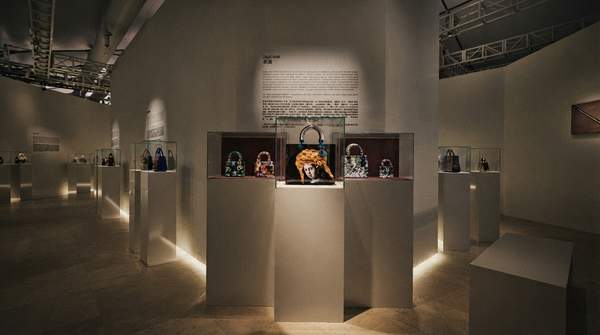
Prada's permanent cultural complex in Milan, a dedicated hub for literature, music, and art, signals a profound shift in how luxury brands engage consumers. This multi-faceted institution cultivates intellectual and emotional loyalty, redefining status as cultural belonging rather than mere ownership. For 2026, the future of luxury brands is rooted in such immersive cultural engagements.
Yet, global luxury spending is projected to grow, but the primary drivers of consumer engagement are increasingly symbolic and experiential, not purely functional or acquisitive. Consumer engagement with luxury brands is driven by symbolic, experiential, and functional motivations, with status signaling remaining central, as detailed by Nature. This marks a strategic pivot from transactional sales to cultivating deeper, multifaceted relationships, where brand identity thrives on shared cultural experiences.
Luxury brands that fail to integrate deep cultural engagement and experiential marketing into their core strategy risk losing relevance and market share, even as the overall market expands.
The New Imperative: Why Experiential Luxury Matters
Customer experience and loyalty stand as the strongest growth opportunities for luxury brands, cited by 28.6% of executives, according to Deloitte. Luxury leaders recognize the strategic imperative to move beyond product-centric sales to foster deeper, more meaningful customer relationships through enhanced experiences. The implication is clear: the future of luxury isn't just about what you own, but how you feel and what you belong to.
Experiential luxury encompasses curated events, personalized services, and cultural immersions that offer belonging and intellectual stimulation. Curated events, personalized services, and cultural immersions aim to cultivate intellectual and emotional loyalty, transcending mere product cycles. Status, it seems, has become a narrative, not just a price tag.
The 28.6% of luxury executives citing 'customer experience and loyalty' as top growth opportunities suggests a stark reality: brands failing to invest in deep, symbolic engagements, clinging to traditional product cycles, will find themselves increasingly out of step. The approach of investing in deep, symbolic engagements transforms mere transactions into lasting relationships, offering unique forms of status signaling.