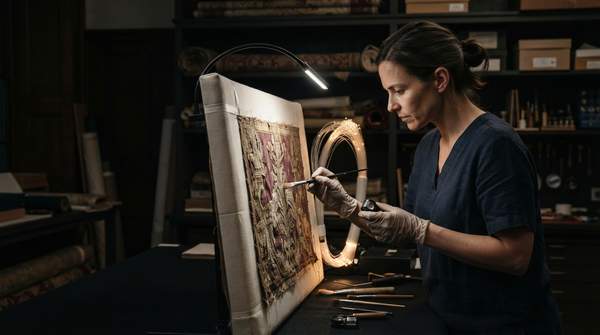
For the preservation of sensitive historical textiles, the choice of lighting is a critical conservation decision. Modern LED and fiber optic systems offer significant advantages over the challenges posed by natural daylight, primarily due to their ability to deliver illumination with minimal damaging ultraviolet and infrared radiation. These technologies provide museum professionals with precise control, ensuring that priceless garments can be viewed by the public without accelerating their decay. While the aesthetic appeal of natural light is undeniable, its management requires rigorous and constant intervention to mitigate inherent risks.
Understanding Light Damage: UV and Infrared Risks to Textiles
All light, whether natural or artificial, has the potential to damage fragile organic materials like textiles. This damage is cumulative and irreversible, a product of both the intensity of the light and the duration of exposure. According to the Conservation Center for Art & Historic Artifacts, the total exposure an object receives is calculated by multiplying the light level in lux by the time in hours. This means a short exposure to intense light, such as direct sunlight, can be as damaging as a much longer exposure to lower, museum-level lighting.
The most harmful components of the light spectrum are invisible to the human eye. Ultraviolet (UV) radiation, found in high levels in daylight, is a primary agent of photochemical deterioration, causing colors to fade and fibers to weaken. Infrared (IR) radiation, which is perceived as heat, also poses a significant threat. Heat can accelerate chemical degradation processes, leading to embrittlement and discoloration. As guidance from Museums Galleries Scotland notes, most light sources contain varying degrees of visible light, UV, and IR radiation, making the selection of a proper lighting system a crucial act of preservation.
LED Lighting: Precision and Preservation
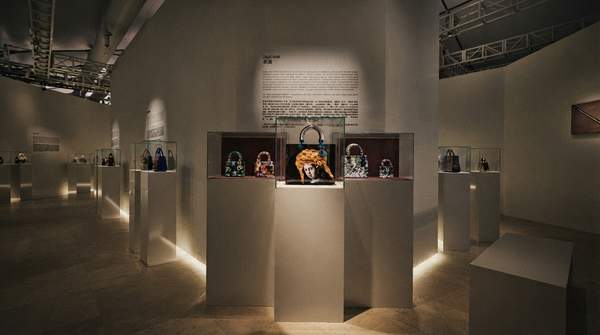
In contemporary museum practice, LED (light-emitting diode) technology has become a preferred choice for illuminating sensitive collections. According to conservation resources from Museums Galleries Scotland, white light LEDs are favored because they produce minimal UV and infrared radiation. This characteristic directly addresses the two main drivers of light-induced damage, allowing for the display of artifacts with significantly reduced risk. The low heat output of LEDs is particularly beneficial, as it helps maintain a stable microclimate within display cases, a critical factor for long-term preservation.
The compact size of LEDs also offers practical advantages. As noted by Icon, the Institute of Conservation, the small form factor of LEDs has made them a viable alternative to fiber optic systems in many applications. This allows for the design of discreet and highly targeted lighting schemes that can highlight the intricate details of a garment without flooding the entire space with unnecessary light. This level of control helps curators manage the total light exposure each object receives, further enhancing the conservation effort.
Fiber Optic Systems: Remote Light, Reduced Risk
Fiber optic lighting represents another excellent solution for safely illuminating delicate artifacts. The fundamental advantage of this technology lies in its design, which separates the light source from the point of delivery. A single illuminator, which generates the light and its associated heat and radiation, is placed at a distance from the display case. The light is then channeled through thin, flexible glass fibers directly to the object. This configuration provides a powerful conservation benefit: it physically removes the source of heat and radiation from the immediate vicinity of the artifact.
Guidance from Museums Galleries Scotland highlights that fiber optic systems effectively filter out both UV and infrared radiation as part of their function. This ensures that the light reaching the textile is "cool" and free of the most damaging wavelengths. This separation of the heat source is also a key safety feature, reducing fire risk within exhibition spaces, a point also raised in materials from Icon. The result is a pure, focused illumination that allows for safe and dramatic presentation of even the most fragile materials.
Filtered Natural Light: Balancing Aesthetics and Conservation
While natural light is often desired for its pleasant viewing quality, it is the most challenging source to manage from a conservation perspective. Daylight contains high levels of UV radiation and its intensity fluctuates constantly, making it difficult to control. Museums Galleries Scotland advises that all direct sunlight must be eliminated from exhibition spaces housing light-sensitive objects. Without careful management, the use of natural light can expose textiles to unnecessarily high levels of risk.
To use daylight safely, museums must implement a multi-layered strategy. This includes applying specialized solar control films to windows and skylights to reduce light levels and filter UV radiation. Other physical barriers such as blinds, shades, or curtains are also necessary to diffuse and block direct sun. While these measures can help, they require constant vigilance and maintenance. Even with these controls, it is crucial to place highly sensitive items far from windows. Though well-managed daylight can reduce reliance on artificial lighting, its use must always be secondary to the preservation needs of the collection.
Comparative Analysis of Museum Lighting Technologies
Museum professionals must weigh the conservation trade-offs of each lighting system. The following table synthesizes guidance from conservation institutions to compare LED, fiber optic, and filtered daylight systems based on their impact on textile preservation.
| Lighting Technology | UV Radiation Output | Infrared (Heat) Radiation Output |
|---|---|---|
| LED Lighting | Produces minimal UV radiation, making it a preferred choice for conservation. | Generates very little infrared radiation, minimizing heat in the display area. |
| Fiber Optic Lighting | Effectively eliminates UV radiation by filtering it at the remote light source. | Removes the heat-generating source from the display case, preventing thermal damage. |
| Filtered Natural Light | Contains significant UV radiation that must be actively and continuously filtered. | Introduces significant infrared radiation, causing heat gain that can damage artifacts. |
Making an Informed Choice for Textile Preservation
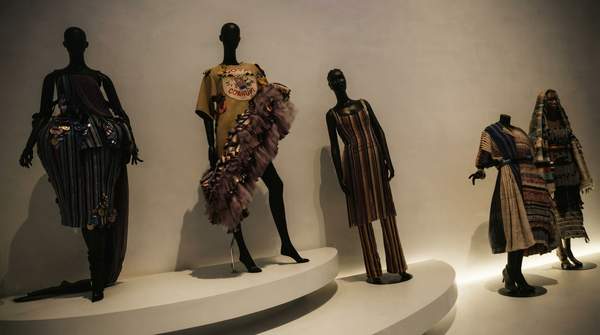
For optimal textile preservation, museum professionals should prioritize LED or fiber optic lighting systems due to their superior control over harmful UV and IR radiation, or implement rigorous filtering and monitoring protocols if utilizing filtered natural light. These modern technologies are engineered to separate damaging radiation from visible light, providing the safest possible illumination for irreplaceable artifacts. While natural light has its appeal, its inherent risks require extensive and costly mitigation that may still fall short of the protection offered by purpose-built systems. The ultimate goal is to balance visitor experience with the primary duty of preservation.
The success of a chosen lighting strategy can be measured by the absence of visible fading, embrittlement, or discoloration in displayed textiles over time, confirmed by regular condition reports and colorimetric measurements. By selecting a system that minimizes exposure to UV and IR from the outset, conservators can significantly extend the life of their collections, ensuring that these delicate historical records are available for future generations to study and admire.