The Metropolitan Museum of Art's 'Heavenly Bodies' exhibition drew 1,659,647 visitors, setting a new record and solidifying fashion's status as a blockbuster art form. Such unprecedented public engagement confirms a significant shift: fashion exhibitions are now platforms for luxury as art, a trend that intensified in recent years.
Fashion exhibitions began by seeking artistic legitimacy, but their overwhelming commercial success now risks commodifying that very art. What started as an institutional endeavor to validate garments as expressions of design and creativity has evolved into a powerful engine for brand promotion and museum economics. This tension between artistic merit and market appeal defines the contemporary exhibition space.
Museums will increasingly rely on fashion exhibitions for visitor engagement and revenue, potentially prioritizing popular appeal and brand partnerships over purely curatorial objectives. The 1983-84 Yves Saint Laurent retrospective at the Metropolitan Museum of Art, curated by Diana Vreeland, is widely considered the exhibition that legitimized fashion as art, according to Phaidon. Yet, the Yves Saint Laurent house began archiving prototypes from shows as early as 1964, according to Forbes—nearly two decades before institutional validation. This suggests fashion houses recognized their work's historical value long before the art world accepted it.
The Blockbuster Era: Fashion's Unprecedented Draw
Recent fashion exhibitions consistently draw immense crowds, rivaling traditional art shows. 'Heavenly Bodies' at the Met Museum set a record with 1,659,647 visitors, according to Forbes. The Met's 'Alexander McQueen: Savage Beauty' in 2011 attracted over 660,000, becoming its eighth biggest show, Phaidon reports. The V&A's 'Christian Dior: Designer of Dreams' sold 37,000 pre-opening tickets, selling out its initial six-month run within three weeks, per Forbes. The V&A's 'Alexander McQueen: Savage Beauty' cost £3 million ($3.9 million) and drew over 480,000 visitors, Forbes notes. These figures confirm fashion exhibitions as mass-market cultural products, where spectacle and revenue often eclipse nuanced artistic discourse.
Major Exhibitions Redefining Luxury as Art
1. Heavenly Bodies: Fashion and the Catholic Imagination (Metropolitan Museum of Art)
This exhibition explored Catholic art's influence on haute couture, featuring Vatican vestments and designer pieces. It drew 1,659,647 visitors, a Met Museum record, according to Forbes, solidifying fashion's artistic status through immense public engagement, though its broad appeal sometimes overshadowed deeper artistic discourse.
2. Yves Saint Laurent Retrospective (Metropolitan Museum of Art, 1983-84)
Curated by Diana Vreeland, this landmark show established fashion's place in fine art. It is considered the exhibition that legitimized fashion as art, according to Sotheby's Institute, providing critical institutional validation for haute couture, albeit predating the era of mass blockbuster appeal.
3. Viktor&Rolf. Fashion Statements (High Museum of Art, Atlanta)
This exhibition features over one hundred daring Viktor&Rolf works, exploring their conceptual approach. It includes pieces from "Late Stage Capitalism Waltz" and 2019 "Fashion Statements" collections, the latter using five miles of tulle, according to High. It showcases fashion as conceptual art, pushing artistic boundaries, though its highly conceptual nature may limit broader appeal.
4. Alexander McQueen: Savage Beauty (Metropolitan Museum of Art, 2011)
This retrospective celebrated Alexander McQueen's artistry and theatricality. It attracted over 660,000 visitors, the eighth biggest Met show, according to Phaidon, confirming McQueen's artistic impact and massive public appeal, despite intense demand limiting access.
5. Christian Dior: Designer of Dreams (V&A)
This exhibition traced the history and impact of the House of Dior. It sold 37,000 tickets pre-opening, selling out within three weeks, according to Forbes, exemplifying both public demand and commercial success, though its popularity resulted in swift sell-outs.
6. Alexander McQueen: Savage Beauty (V&A)
This London re-staging offered a European audience McQueen's visionary work. It cost £3 million ($3.9 million) and attracted over 480,000 visitors, according to Forbes, demonstrating significant institutional investment and public interest, yet its high production cost raises sustainability questions.
7. Giorgio Armani Retrospective (Guggenheim Museum, 1999)
This retrospective aimed to solidify Armani's artistic contributions. Its funding model sparked significant debate due to a $15 million brand donation, according to Phaidon and Sotheby's Institute, highlighting the complex relationships between luxury brands and art institutions and facing criticism over corporate sponsorship.
8. Punk: Chaos to Couture (Metropolitan Museum of Art, 2013)
This exhibition examined punk's lasting impact on high fashion, tracing its rebellious aesthetic from street to runway, according to MetMuseum. It explored subcultures' influence on high fashion, though its thematic focus might be niche for general art audiences.
The Ethical Quandary: Art vs. Commerce
The increasing financial involvement of luxury brands in museum exhibitions presents a complex ethical landscape. This relationship raises critical questions about curatorial independence and the ultimate purpose of such displays.
| Exhibition | Primary Focus | Commercial Aspect | Artistic Impact | Key Criticism |
|---|---|---|---|---|
| Heavenly Bodies | Catholic influence on fashion | Record-breaking visitor revenue | Broadened fashion's artistic appeal | Potential for spectacle over scholarly depth |
| Yves Saint Laurent Retrospective (1983-84) | Legitimizing fashion as art | Less overt commercial funding | Paved way for fashion in museums | Lack of immediate financial metrics |
| Viktor&Rolf. Fashion Statements | Avant-garde, conceptual design | Brand promotion through artistic statement | Pushes boundaries of fashion as art | Niche appeal limiting mass accessibility |
| Alexander McQueen: Savage Beauty | Designer's visionary artistry | High ticket sales, significant revenue | Celebrated a unique design genius | Overwhelming demand, limited access |
| Christian Dior: Designer of Dreams | Brand's historical legacy and impact | Rapid ticket sell-outs, brand elevation | Reinforced Dior's cultural significance | Commercial success potentially overshadowing artistic critique |
| Giorgio Armani Retrospective (1999) | Designer's minimalist aesthetic | $15 million brand donation | Solidified Armani's design influence | Ethical concerns over corporate sponsorship, according to Phaidon and Sotheby's Institute |
The controversy surrounding the 1999 Giorgio Armani retrospective's $15 million donation (Phaidon) revealed the ethical lines between artistic patronage and corporate sponsorship were blurred from the outset. This set a precedent for brands to exert significant influence over cultural institutions. While financially beneficial, the substantial investment and visitor draw of these exhibitions create ethical dilemmas regarding brand sponsorship and curatorial independence. The rapid sell-out of 'Christian Dior: Designer of Dreams' tickets (37,000 pre-sold, Forbes) confirms luxury brands now leverage museum exhibitions as highly effective, large-scale marketing platforms, blurring the lines between cultural event and brand activation.
Preserving Legacy: The Foundation of Fashion as Art
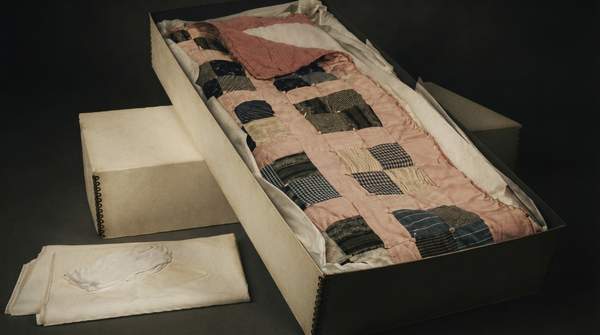
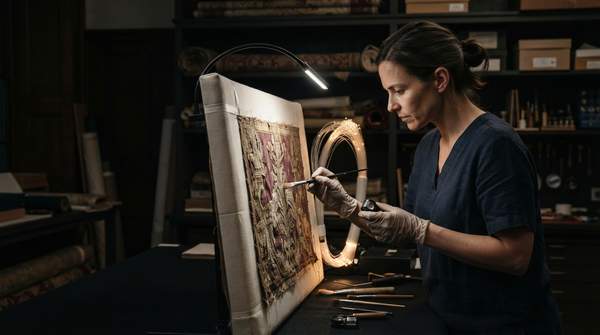
Comprehensive, historically accurate fashion exhibitions rely on meticulous archival practices. The Musée Yves Saint Laurent Paris, for instance, holds 7,000 haute couture garments and 30,000 accessories, according to Forbes. This vast collection enables detailed retrospectives, tracing a designer's creative trajectory over decades. Such foresight, exemplified by Yves Saint Laurent's archiving, established fashion's historical narrative and its eventual recognition as art. Without this dedicated preservation, the material evidence for critical art historical study and public display would be lost, undermining the very premise of fashion as art.
As museums increasingly rely on fashion to drive engagement and revenue, the delicate balance between artistic integrity and commercial imperative will likely become more precarious, potentially redefining the very purpose of institutional curation.