In 1840, Queen Victoria defied royal custom, choosing a white Spitalfields silk gown for her wedding. This deliberate departure from traditional royal attire, which favored rich colors and heavy brocades, inadvertently set a lasting tradition for Western bridal fashion. Her choice, highlighted by intricate Honiton lace, demonstrated silk's capacity not merely to reflect prevailing tastes but to unilaterally establish new cultural traditions, an artistic evolution shaping haute couture.
Silk weaving, an ancient craft steeped in millennia of tradition, continuously reinvents itself as the ultimate medium for cutting-edge haute couture innovation. This tension between historical reverence and radical reinvention forms its enduring appeal. The lasting impact of Queen Victoria's 1840 Spitalfields silk wedding gown proves that haute couture can unilaterally establish enduring cultural traditions, rather than merely reflecting them, according to fashionhistory. Based on this historical adaptability and enduring appeal, silk will remain a foundational material for designers pushing luxury fashion's boundaries, ensuring its relevance for generations.
Silk: The Canvas of Couture Evolution
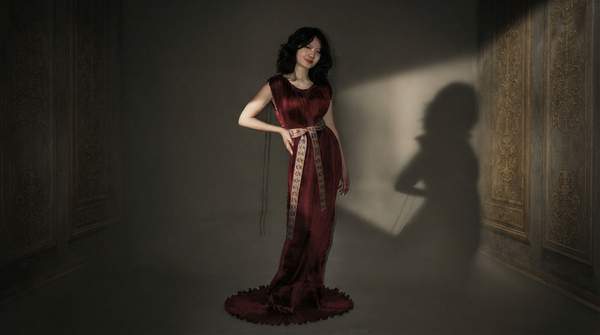
The late 1860s marked a significant shift in fashion silhouettes, notably the transition towards the bustle. A red silk dress from 1869, with its bold color and intricate detailing, embodied these prevailing aesthetic preferences, according to fashionhistory. Silk's inherent qualities—vibrant dye absorption and structural integrity—allowed designers to capture the era's defining forms and elaborate embellishments. The material's versatility enabled couturiers to articulate the increasing complexity of Victorian fashion, moving beyond simpler lines to incorporate volume and decorative elements with precision. This consistent adaptability reveals silk's fundamental role in facilitating significant shifts in haute couture design, proving its unique drape and strength permitted garments both voluminous and refined, accommodating the bustle's structural demands while maintaining elegant fluidity.
Mastering the Threads: Iconic Silk Creations
In 1872, the House of Worth, a preeminent haute couture establishment, designed a seafoam green silk gown exemplifying the era's dominant trends. This creation featured elaborate fringe, delicate bows, and distinctive horizontal trim, reflecting the period's preference for rich surface ornamentation. The gown also incorporated unique Islamic enamel-inspired ribbons, demonstrating a sophisticated integration of global aesthetic influences within Western fashion, as noted by fashionhistory. This House of Worth gown proves silk's capacity to elevate garments into works of art that define an era's luxury. Its fine texture and ability to hold intricate detailing made it an ideal medium for such elaborate designs, further demonstrating that silk's global history makes it an unparalleled medium for designers to subtly integrate diverse cultural aesthetics, proving innovation often stems from sophisticated fusion.