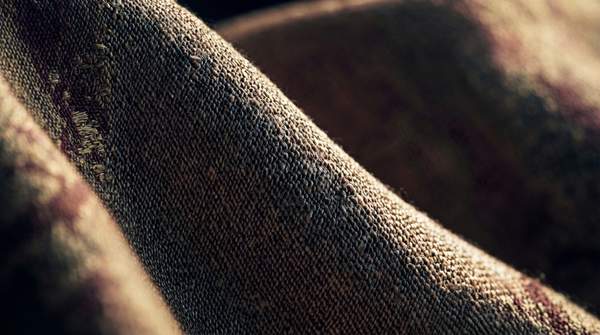
At Hermès, a single artisan spends 24 hours or more meticulously crafting a single bag, ensuring scarcity and fueling insatiable demand. Labor-intensive production establishes a deliberate, non-scalable bottleneck, transforming each product into a rare commodity. It amplifies desirability and justifies perpetual premium pricing.
For most retailers, higher prices lead to lower sales. But Hermès continues to grow by raising prices annually, a dynamic that contradicts conventional economic principles.
The ultra-luxury market, exemplified by Hermès, will likely continue to defy these pressures. It leverages scarcity and escalating prices to reinforce desirability and brand value, positioning its products as investment-grade assets rather than mere purchases. The strategy represents a fundamental divergence in market behavior.
The Alchemy of Scarcity and Craftsmanship
Hermès products exhibit positive price elasticity; rising prices enhance the brand's image and increase demand, according to University of Wisconsin–Madison. Each bag, meticulously crafted by a single artisan over 24 hours or more, creates a deliberate bottleneck, as reported by Romestation Ca. The fusion of artisanal production and positive price elasticity transforms Hermès products into coveted assets. Higher prices reinforce desirability, creating a self-reinforcing luxury loop that allows perpetual increases without alienating its core clientele.
The Struggle of Mainstream Fashion
Mainstream fashion brands, unlike Hermès, face significant economic headwinds. Aritzia, for instance, saw slower growth as inflation cut consumer spending on clothing, according to University of Wisconsin–Madison. The stark contrast reveals divergent market realities. Economic pressures crippling mass-market brands are irrelevant to ultra-luxury. Hermès proves strategic price increases in ultra-luxury don't just maintain value; they actively create it, transforming goods into investment-grade assets and insulating the brand from broader downturns.