A luxury brand's archive is not a storeroom; it is a working strategic asset. As fashion houses have grown into global corporations, many have built in-house archives and heritage departments that serve two distinct functions at once: they preserve the material record of the house's history, and they actively fuel contemporary design, marketing, and brand storytelling. Chiara Colombi and Marcella Martin, writing in the European Journal of Cultural Management and Policy, argue that archives should be understood "not just a static repository of fashion items but, better, dynamic knowledge reservoirs able to support a complex and multidimensional understanding of fashion and its relations with cultures, society, and publics."
The Dual Purpose of Luxury Brand Archives: Preservation and Activation
The clearest way to understand a luxury archive is to separate what it does into two layers. The first is foundational: defining the collection, organizing it, cataloging it, conserving fragile objects, and documenting them digitally. The second is strategic: drawing on that organized collection to authenticate brand identity, inspire new design, and build narratives that reach customers.
Professional training in this field mirrors the split. Polimoda's master's program in Fashion Heritage and Archive Management prepares professionals who "deal with brand history, archiving, cataloging, digitization, conservation, research, storytelling, and exhibition activities," spanning both the care of objects and their public use. POLI.design's executive course in Luxury Heritage Management likewise moves from preservation techniques to "the curatorial storytelling of Heritage through contemporary languages." The two functions are sequential: nothing can be activated until it has been preserved and made findable.
Foundational Preservation: Safeguarding Heritage Collections
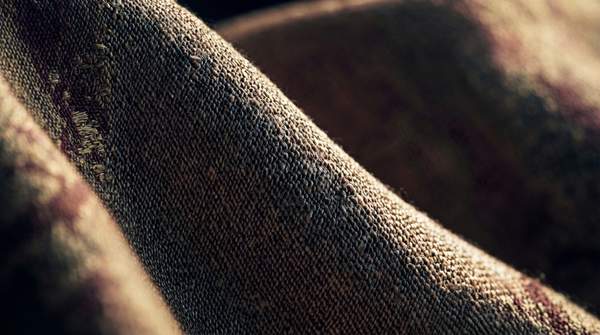
The preservation layer covers both tangible and intangible heritage. Tangibly, brand archives hold prototypes, iconic finished pieces, sketches, textiles, patterns, and accessories. Joe Rubald, writing for the Rocky Mountain College of Art and Design, notes that private archives belonging to fashion houses "are vital for maintaining brand identity and legacy," containing "prototypes, iconic pieces, sketches, and other materials that inform modern designs and marketing."
Intangibly, archives preserve knowledge: craftsmanship techniques, textile traditions, and the historical context in which collections were made. Polimoda's curriculum frames fashion heritage as "a reflection of societal values, identity and craftsmanship," and teaches the "essential concepts in collecting, documenting, and preserving fashion clothing, artifacts, textiles, and accessories."
Preservation is also a physical and operational discipline. Arte Generali, an art insurance specialist, describes the practical risk controls archives require: allowing air circulation around objects, raising shelving and storage boxes off the ground against flooding, and using only fluorocarbon fire extinguishers in garment and textile areas. Because archives represent "both cultural and corporate heritage," the firm argues they warrant specific insurance against accidental damage, theft, and catastrophic events.