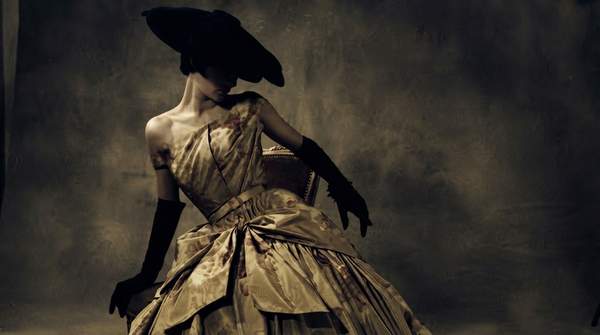
A single haute couture evening gown can demand over 1,000 hours of hand-stitching and cost more than a luxury car, yet its true value lies beyond its price tag. The meticulous craft involved in such garments, often requiring the specialized skills of multiple artisans, positions them as objects demanding rigorous assessment of their artistic merit. This extreme dedication to creation prompts a re-evaluation of haute couture as fine art, particularly as 2025 approaches.
Haute couture is defined by its extreme exclusivity and commercial price points, but its artistic merit stems from its non-commercial pursuit of innovation and craft. This inherent tension shapes its unique position within both the fashion and art worlds.
Based on its rigorous standards, museum recognition, and the artistic intent of its creators, haute couture will increasingly be acknowledged and studied as a significant form of contemporary fine art, even as its client base remains niche.
A single haute couture garment can take hundreds to thousands of hours to create, involving multiple artisans specializing in embroidery, beading, and tailoring, according to Vogue. The average price of a haute couture day suit starts at $10,000, while an evening gown can exceed $100,000, reflecting the intense labor and rare materials involved, as reported by Business of Fashion. These extreme figures, museum recognition, and material innovation immediately challenge the perception of haute couture as mere clothing, positioning it closer to fine art.
Beyond the Runway: Defining Haute Couture
Haute couture is legally protected by the Chambre Syndicale de la Haute Couture in Paris, requiring specific criteria like custom-made for private clients, at least two ateliers, and presenting collections twice a year, as stipulated by the Fédération de la Haute Couture et de la Mode. The exclusivity and bespoke nature of haute couture mean each piece is a unique creation, tailored to the client's body and desires, making it distinct from mass-produced fashion, according to Dior Couture. Haute couture's strict definition and bespoke process mean it is fundamentally about unparalleled craftsmanship and individuality, not mass appeal.
The Art of the Stitch: Why Couture is Fine Art
Unlike ready-to-wear, haute couture prioritizes artistic expression and innovation over commercial viability or mass production, according to the Fashion Studies Journal. Designers like Charles Frederick Worth, considered the "father of haute couture," established the designer as an artist rather than just a dressmaker in the 19th century, notes the Victoria and Albert Museum. The term "fine art" typically refers to art forms developed primarily for aesthetic or intellectual purposes, valued for beauty and conceptual depth rather than utility, as defined by Oxford Art Online. By prioritizing artistic vision and pushing creative boundaries, haute couture aligns with the core principles of fine art, transcending its functional purpose.
More Than Fashion: Couture's Enduring Impact
Haute couture serves as a laboratory for fashion houses, allowing them to experiment with new techniques, materials, and silhouettes that eventually influence ready-to-wear trends, as observed by Harper's Bazaar. The skills required for haute couture, such as intricate embroidery, pattern making, and draping, are passed down through generations of artisans, preserving traditional techniques at ateliers like Lesage Atelier. Haute couture houses often operate at a loss on the couture line itself, using it as a branding and marketing tool to sell perfumes, accessories, and ready-to-wear, reported Forbes. Haute couture's influence extends far beyond its exclusive clientele, acting as a crucial incubator for innovation, a guardian of artisanal heritage, and a powerful marketing engine for global brands.
Common Questions: Debating Couture's Place
Is haute couture considered art?
Yes, haute couture is increasingly considered an art form due to its emphasis on unique design, unparalleled craftsmanship, and conceptual depth. It frequently appears in major art institutions, such as the Metropolitan Museum of Art's Costume Institute, which treats garments as significant cultural and artistic artifacts, according to the Met Museum.
What is the difference between haute couture and ready-to-wear?
Haute couture is custom-made for individual clients, involves extensive hand-craftsmanship, and adheres to strict legal criteria set by the Chambre Syndicale de la Haute Couture. Ready-to-wear, conversely, is factory-produced in standard sizes, designed for mass distribution, and prioritizes commercial accessibility over bespoke artistry.
How is haute couture evaluated as art?
Haute couture is evaluated as art based on its originality, technical mastery, conceptual narrative, and emotional impact, much like other fine art forms. Critics examine the designer's vision, the garment's construction, and its ability to push aesthetic boundaries, often viewing pieces as "wearable art" that blurs categories, according to the Museum of Modern Art.
The Future Canvas: Couture as a Living Art Form
Haute couture collections often tell a conceptual story or explore a specific theme, similar to an artist's body of work, observed Vogue Runway. The process of fitting a haute couture garment involves multiple sessions, ensuring a perfect, sculptural fit that enhances the client's form, as seen at the Schiaparelli Atelier, which showcased innovative designs in Fall 2026, according to The Impression. Unlike mass-produced items, haute couture pieces are built to last for decades, often becoming heirlooms or museum acquisitions, reported Christie's Auction House. As a medium for conceptual storytelling, sculptural form, and enduring value, haute couture solidifies its place as a dynamic and evolving form of fine art.