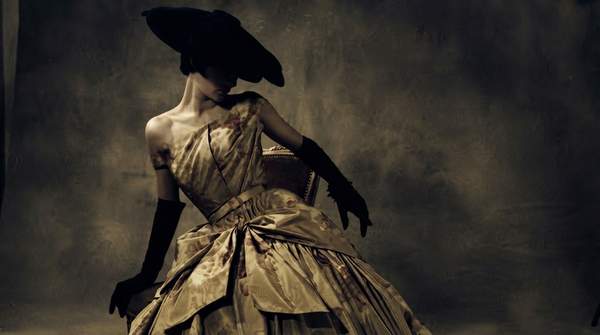
The 20th century marked a transformative era in haute couture, where designers continually reimagined the female silhouette, moving beyond the restrictive norms of previous centuries. These iconic forms were more than mere aesthetic trends; they embodied significant structural innovations, mirrored profound cultural shifts, and continue to exert a lasting influence on contemporary fashion design. From liberating the body from corsetry to sculpting new ideals of femininity, pivotal silhouettes such as Madeleine Vionnet's bias cut, Christian Dior's New Look, and Cristóbal Balenciaga's globular forms stand as enduring testaments to design ingenuity and societal evolution.
Fashion serves as a potent visual metaphor for its time, with designers acting as interpreters of an era's spirit. Seminal figures like Worth, Vionnet, Balenciaga, Chanel, Dior, and Yves Saint Laurent are recognized for their profound contributions to 20th-century fashion, as highlighted by Google Arts & Culture and Malne. Their creations often reflected the aspirations, constraints, and progress of the modern woman, dressing the body in both history and the future simultaneously. This exploration delves into the distinct structural elements, cultural significance, and lasting impact of these key haute couture silhouettes, offering a deeper appreciation of their design principles.
The Ingenuity of the Bias Cut: Madeleine Vionnet
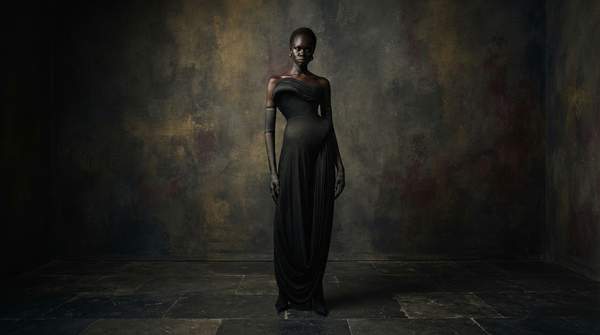
Madeleine Vionnet revolutionized fashion in the early 20th century through her masterful application of the bias cut, a technique that fundamentally altered how garments interacted with the female form. By cutting fabric diagonally across the grain, Vionnet enabled textiles to stretch, drape fluidly, and gracefully cling to the body's natural contours without the need for rigid understructures like corsets. This innovative approach created a streamlined, unlined, and often pull-over form, marking a significant departure from the heavily structured clothing of previous eras.
A February 1922 edition of French Vogue reported on Vionnet's "revolution," noting her proposal of clothes that were not only unlined but also designed to be pulled over the head, emphasizing ease and simplicity. This construction principle was central to the international popularity of her designs throughout the 1920s and 1930s, according to the Fashion History Timeline. Vionnet's "exquisite technique and ingenious construction," exemplified by pieces such as her 1936 carnival dress, fostered a new, athletic appearance that complemented the era's shorter hairstyles and a broader cultural shift towards greater physical freedom for women. Her work effectively liberated the female form from the constraints of corsetry, establishing a foundational principle for modern dressmaking that prioritized natural movement and elegant drape.