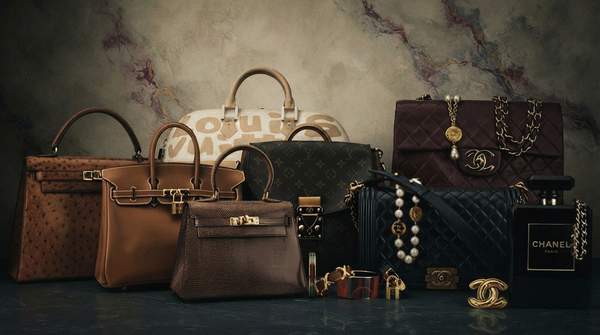
Luxury fashion houses are increasingly turning to their past not for simple replicas, but as a dynamic resource for contemporary innovation. Rather than merely reissuing old items, brands strategically reinterpret their historical assets to create new designs and compelling narratives that resonate with modern consumers. This process involves transforming heritage elements through specific creative methods, treating the archive less like a static museum and more like an active collaborator in the design process. By revisiting signature design codes, iconic pieces, and foundational silhouettes, these houses generate revenue and reinforce their identity for new generations, proving that a brand's history can be its most potent tool for shaping the future.
The Archive as a Strategic Asset
In the modern luxury market, a brand’s historical archive functions as a strategic, revenue-generating asset rather than a passive record of past achievements. According to industry reporting, fashion houses such as Gucci, Dior, Louis Vuitton, and Prada regularly revisit their archives to reinterpret signature design codes. This approach has made anniversary collections, heritage capsules, and reissued classics central components of their annual business strategies. Instead of designing entirely new product categories each season, these brands strategically update existing icons, blending the familiar with the new to maintain relevance.
This practice is fueled by the power of nostalgia, which has become one of fashion’s most effective marketing tools. Consumers are often drawn to products that evoke a particular era or cultural memory, and by revisiting archival logos or historic runway designs, brands create deep emotional connections that extend beyond the product itself. The key is not to reproduce the past exactly, but to update iconic pieces while preserving the core elements that made them recognizable. This allows brands to tap into the comfort of the familiar while still offering something fresh and contemporary.
This shift in perspective reframes the archive from a dusty collection into what a study in the European Journal of Cultural Management and Policy calls a "living organism." In this model, past narratives are actively revived, re-enacted, and connected to contemporary cultural trends and values. The archive becomes a bridge linking a brand's past, present, and future, all through the experiences of its consumers.