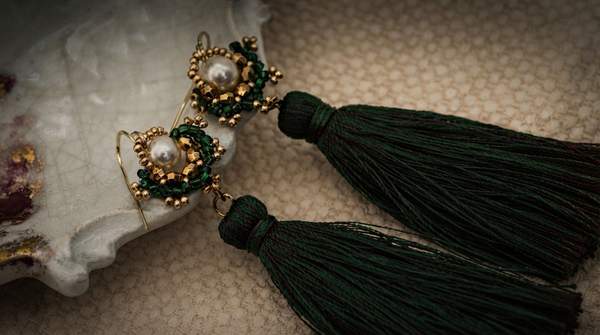
Passementerie is the intricate and historic art of creating decorative trimmings, such as tassels, fringes, and braids, from materials like silk, cotton, or metallic threads. For centuries, these elaborate embellishments have served as a hallmark of luxury and status, adorning everything from the garments of monarchs to the opulent interiors of stately homes. While its prominence has shifted with evolving aesthetic tastes, passementerie remains a vital element in contemporary haute couture and high-end interior design, signifying a deep appreciation for detailed craftsmanship and bespoke artistry.
Key Forms of Passementerie: A Visual Guide
The term passementerie, French in origin, encompasses a wide variety of distinct ornamental forms, each with its own construction and purpose. Understanding these key types is essential to recognizing the craft's versatile role in fashion and decor. According to the Dictionary of Fashion History, the definition evolved from "ornamental braids and other trimmings of gold and silver, silk or cotton threads" in the 16th and 17th centuries to include "colourful braids and fringes decorated with beads" by the 19th century. These components can be used individually or combined to create highly complex decorative pieces.
| Form | Description & Construction | Typical Application (Fashion/Interiors) |
|---|---|---|
| Tassels | Ornamental pendants made from a bundle of threads or cords, gathered at one end by a decorative head. Heritage Crafts notes that these heads are often built around a wooden mold and covered with silk or other threads. | Used as luxurious accents on garments, curtain tie-backs, and upholstery, often signifying opulence. |
| Fringes | A decorative border composed of hanging threads, cords, or loops. Nineteenth-century versions often incorporated beads and metallic threads for added embellishment. | Commonly applied as an edging on shawls, cushions, drapery, and the hems of garments. |
| Braids | A trim made from three or more interwoven strands of material, such as silk or cotton, to form a flat or rounded band. Also known as gimp. | Frequently used to edge couture jackets, historical garments, and military uniforms, as well as in high-end home interiors. |
| Cords | Twisted or plaited strands of thread that can be used alone as a simple trim or as a foundational component in more complex passementerie like tassels. | Applied in various decorative contexts, including outlining upholstery and forming the structural elements of other trimmings. |
A Rich History: From Guilds to Royal Courts
The history of passementerie is deeply intertwined with the display of wealth, power, and status in Europe. The skill required to produce these intricate items was so specialized that it led to the formation of professional guilds, such as the Guild of Passementiers in 16th-century France, to regulate the trade and protect its secrets. These artisans were masters of a craft that turned simple threads into symbols of nobility and affluence.
Royal courts were the most significant patrons of the craft, using passementerie to project an image of unparalleled magnificence. According to Heritage Crafts, a UK-based organization dedicated to preserving traditional skills, historical records show extensive use of these trimmings by monarchs like Henry VIII of England and Mary, Queen of Scots. The organization points to events like the Field of the Cloth of Gold as prime examples of this royal consumption. Heritage Crafts states that the "luxury consumption of the English court, and the aristocracy" was the primary driver for the growth of the trade, a trend that intensified from the 17th century onward as elaborate textiles became essential to the lavish interior decoration of the era's grand stately homes.
Passementerie in Interior Design: A Cycle of Taste
In interior design, passementerie has long been used to add a layer of texture, color, and luxury that completes a room. Its application in the grand homes of the 17th and 18th centuries established a lasting association with classical and opulent decor. The popularity of these trimmings, however, is subject to prevailing design trends. According to Heritage Crafts, passementerie saw a major revival during the 1980s, an era known for its maximalist interiors that drew heavily on historical and archival styles.
In contrast, the "clean lines of 21st century interiors" led to a more restrained use of these elaborate embellishments. Yet, the craft endures in the luxury sector, where attention to detail remains paramount. As interior designer Krissy Millner explains, "Adding something as simple, but yet luxurious as a yard of trim on a pillow can be a game changer for the design to really sing!" This perspective highlights passementerie's continued role as a symbol of bespoke quality. The modern market accommodates both trends, with large manufacturers producing trims on power machinery while artisan workshops continue to create "one-off or ‘specials’" for heritage restoration and contemporary high-end design projects.
Haute Couture's Enduring Embrace of Passementerie
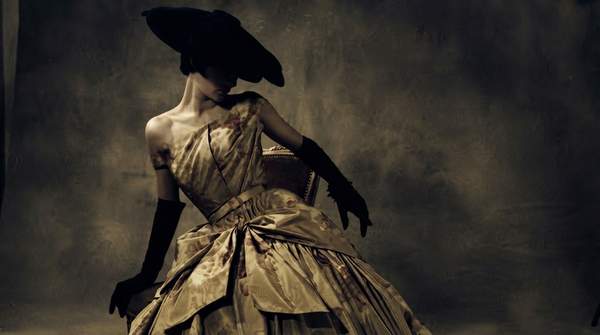
While interior design trends fluctuate, haute couture has remained a consistent champion of passementerie. The craft provides fashion houses with a way to incorporate unique, handcrafted details that distinguish their garments as works of art. One of the most iconic modern uses is the braided trim found on the cardigan-style jackets popularized by Coco Chanel. This signature element, which edges the pockets, cuffs, and lapels, remains central to the brand's aesthetic and is a globally recognized symbol of Parisian chic.
Contemporary designers continue to find new ways to integrate these traditional techniques, moving them beyond simple surface decoration. For its Autumn-Winter 2022-2023 Haute Couture collection, Dior utilized passementerie to reinterpret its classic silhouettes. A report from the publication DSCENE noted that in some designs, skirts were "structured by ribbons forming a basque," demonstrating how braids and other trimmings can be integral to a garment's form and architecture. Beyond the runway, passementerie is also a key feature on historical garments, military uniforms, and the costumes seen in period films and television shows, which helps maintain its cultural visibility and association with tradition and formality.
The Enduring Allure of Passementerie
From the gilded courts of Renaissance Europe to the runways of modern Paris, passementerie has persisted as an art form that transforms textiles into objects of luxury. Its various forms—tassels, fringes, braids, and cords—are a testament to a long tradition of meticulous, often manual, craftsmanship. Though modern manufacturing has introduced new production methods, the demand for unique, handcrafted embellishments in high-end fashion and bespoke interiors ensures its continued relevance as a symbol of excellence and attention to detail.
By understanding its history and identifying its forms, one can recognize and appreciate passementerie as a key element of luxury design, both historically and in contemporary applications. The most reliable way to track its enduring appeal is to observe the presence of intricate trimmings like tassels, fringes, and braids in new haute couture collections and high-end interior design projects, where this ancient craft continues to find new and innovative expression.
Sources
- passementerie — Fashionhistory
- Passementerie - Heritage Crafts
- DIOR Autumn Winter 2022.23 Haute Couture Collection — DSCENE