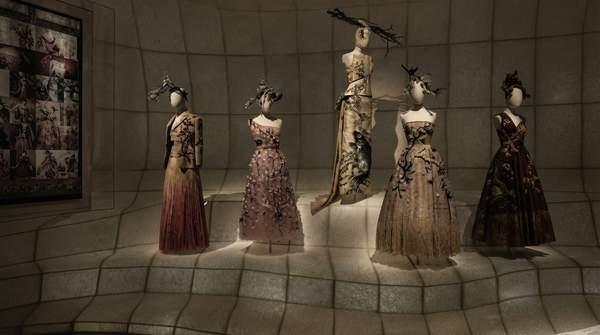
Luxury brands increasingly engage with contemporary artists through diverse collaboration models, moving beyond simple endorsements to forge strategic alliances that shape cultural perceptions and market value. These partnerships are not merely commercial transactions; they are potent exchanges of influence and value, capable of redefining how both the brand and the artist are perceived, as noted by Maddox Gallery. For art collectors and luxury industry professionals, understanding the distinct curatorial frameworks and commercial strategies behind these collaborations is crucial for discerning their impact and potential.
Successful collaborations leverage artification strategies, which involve integrating artistic elements into luxury products or experiences, and the "appreciation task," which focuses on communicating artistic messages to enhance cultural significance. This approach transforms luxury items into sought-after collectibles and elevates brand prestige by aligning with artistic credibility. We will explore three primary models: product capsules, exhibition sponsorships, and immersive installations, examining their strategic objectives, artistic integration, and qualitative outcomes with documented examples.
Product Capsule Collaborations: Merging Art into Collectibles
Product capsule collaborations represent a direct fusion of art and commerce, where artists' motifs and aesthetics are applied to luxury goods, transforming them into unique, art-infused products. The strategic objective is to create coveted, limited-edition luxury items that enhance brand exclusivity and collectibility. These partnerships aim to produce works that feel urgent in their time yet endure across decades, becoming cultural markers that influence how audiences connect with brands and how value is perceived in the market, according to Maddox Gallery.
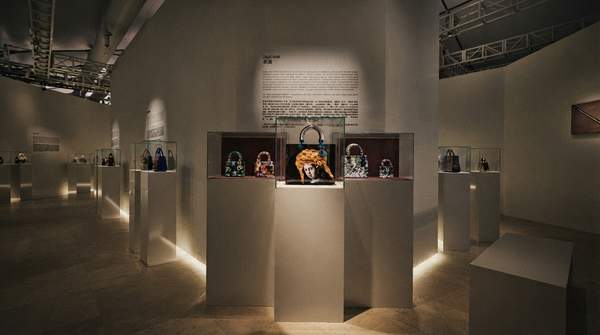
A notable example is the Louis Vuitton x Takashi Murakami collaboration, which began in 2003. Artist Takashi Murakami's colorful palette and recurring motifs were overlaid onto Louis Vuitton's historic monogram, resulting in the highly successful Monogram Multicolore collection of luxury leather goods, as detailed by Charlotte Cotton for ARTnews.com. Similarly, the Louis Vuitton x Yayoi Kusama collaboration in 2023 featured the artist's signature infinity dots across a full collection, mediating on themes of infinity and eternity through craftsmanship, according to a report by Ryszard Kłeczek and Monika Hajdas in the Journal of Brand Management. This integration transforms luxury items into sought-after collectibles, with Dior also embracing this model through its Lady Dior Art series.
Qualitatively, product capsules can generate significant commercial success and cultural impact. The Louis Vuitton x Murakami collaboration, for instance, achieved both. However, the fusion of art and commerce can sometimes elicit mixed consumer reactions, as seen with varied sentiment towards the Louis Vuitton x Kusama collection. Another example is the Alexander McQueen x Damien Hirst collaboration, which melded McQueen’s dark, romantic aesthetic with Hirst’s bold takes on modern vanitas art, featuring colorful bugs and butterflies printed on flowing dresses, as observed by Nina Ryan for Sotheby's Institute of Art. These collaborations are judged by the legacies they leave, moving beyond initial buzz to become influential cultural markers.
Exhibition Sponsorships: Elevating Brand Through Cultural Patronage
Exhibition sponsorships involve luxury brands aligning with high culture and artistic institutions, often by supporting or integrating commercial elements within an artist's exhibition. The strategic objective is to enhance brand prestige and cultural relevance by associating the brand with artistic credibility and discourse. This model blurs the lines between art and retail, reaching a broader, art-engaged audience.
A significant precedent for this model was set during Takashi Murakami's 2007 monographic exhibition at the Museum of Contemporary Art (MOCA) in Los Angeles. At the center of the exhibition, Louis Vuitton established a Murakami x Louis Vuitton store, displaying the Louis Vuitton MOCA Hands collection created exclusively for the event. This commercial intervention within a museum exhibition, while "ruffling critics' feathers," according to Charlotte Cotton writing for ARTnews.com, set a new standard for the integration of art and commerce. It also highlighted the influential role of the creative director in shaping visual and communication strategies more broadly within contemporary fashion.
The qualitative outcome of such sponsorships is the elevation of the brand's image. By aligning with artistic institutions and supporting cultural events, luxury brands can enhance their perceived value and sophistication. The presence of a Louis Vuitton boutique within a museum exhibition served as a commercial intervention that significantly enhanced brand visibility within a cultural context, demonstrating how brands can leverage art to gain cultural capital and reach new audiences.
Immersive Installations: Crafting Experiential Brand Narratives
Immersive installations represent a collaboration model focused on creating unique, multi-sensory experiences that deeply engage consumers. The strategic objective is to reinforce brand identity and foster emotional connections by transforming retail spaces or dedicated venues into visually stunning artistic environments. These installations infuse fresh creativity into a brand's offerings and can enhance an existing "poetic" aspect of the brand's narrative, as noted by The Miami School of Fashion & Design.
Artists design comprehensive environments that blend art, music, and culture, offering a holistic brand experience. Prada's unconventional Double Club exhibit in 2008, for example, partnered with contemporary artists to create site-specific artworks and multimedia performances, as described by Nina Ryan for Sotheby's Institute of Art. This type of collaboration allows brands to engage customers through interactive experiences, creating unforgettable moments that strengthen their connection with the brand, according to The Miami School of Fashion & Design.
The qualitative outcome of immersive installations is a profound impact on the shopping experience and brand perception. Luxury brands like Dior have embraced artful storefronts with installations that are not only visually stunning but also thought-provoking, sometimes generating discussions. These installations serve as powerful tools for brand storytelling, allowing consumers to experience the brand's values and aesthetic in a memorable and engaging way, thereby reinforcing brand identity and fostering deeper emotional ties.
Comparative Framework: Luxury Brand-Artist Collaboration Models
Art collectors and luxury industry professionals can use this table to quickly compare the strategic objectives, artistic integration methods, and qualitative outcomes of different collaboration models, informing their strategic planning and partnership evaluations.
| Collaboration Model | Strategic Objective | Artistic Integration | Qualitative Outcome | Key Example |
|---|---|---|---|---|
| Product Capsule | To create coveted, limited-edition luxury items that merge art with commercial products, enhancing brand exclusivity and collectibility. This objective is achieved by combining exclusive luxury with contemporary art to produce sought-after works. | Artists' motifs and aesthetics are directly applied to or inspire luxury goods, transforming them into unique, art-infused products. Examples include Murakami's colorful palette on Louis Vuitton monogram and Hirst's designs on Alexander McQueen dresses. | Generates significant commercial success, cultural impact, and can sometimes elicit mixed consumer reactions due to the fusion of art and commerce. The Louis Vuitton x Murakami collaboration achieved both commercial success and cultural impact, while the Kusama collaboration saw varied consumer sentiment. | Louis Vuitton x Kusama, Louis Vuitton x Murakami, Dior Lady Dior Art, Alexander McQueen x Hirst |
| Exhibition Sponsorship | To associate the luxury brand with high culture and artistic institutions, enhancing brand prestige and cultural relevance. This involves commercial interventions within museum exhibitions, such as Louis Vuitton's boutique at Murakami's MOCA exhibition. | The brand supports or integrates commercial elements within an artist's exhibition, blurring the lines between art and retail. Louis Vuitton established a retail presence within Takashi Murakami's 2007 monographic exhibition at the Museum of Contemporary Art. | Elevates the brand's image by aligning it with artistic credibility and cultural discourse, potentially reaching a broader, art-engaged audience. The presence of a Louis Vuitton boutique within a museum exhibition served as a commercial intervention, enhancing brand visibility in a cultural context. | Louis Vuitton x Murakami (MOCA exhibition) |
| Immersive Installation | To create unique, multi-sensory experiences that engage consumers deeply, reinforcing brand identity and fostering emotional connections. These installations transform retail spaces or dedicated venues into visually stunning artistic environments. | Artists design comprehensive environments that blend art, music, and culture, offering a holistic brand experience. Prada's Double Club, designed by Carsten Höller, exemplifies this by creating a temporary art, music, and culture installation. | Creates unforgettable moments that strengthen customer connection with the brand, enhancing brand recall and fostering emotional resonance. Dramatically impacts the shopping experience, making storefronts visually stunning and thought-provoking. | Prada Double Club, Dior artful storefronts |
Strategic Imperatives for Future Collaborations
Luxury brands should strategically select collaboration models based on desired brand outcomes, carefully integrating artistic messages to foster deeper consumer appreciation and cultural impact. These partnerships, once dismissed as mere commercial gimmicks, are now recognized as strategic alliances that carry weight far beyond traditional gallery walls or shop floors, as highlighted by Maddox Gallery. The most successful projects move beyond initial buzz to become cultural markers, influencing how audiences connect with brands and how artists extend their influence.
The decision to engage in such collaborations should be guided by the specific objectives a brand aims to achieve, whether it's enhancing collectibility through product capsules, elevating cultural prestige via exhibition sponsorships, or deepening emotional connections through immersive installations. The measurable indicator of success for these endeavors includes increased consumer engagement metrics, such as social media sentiment and dwell time in experiential spaces, alongside positive shifts in brand perception within cultural discourse.
Sources
- Beyond the Canvas: 8 Artist Collaborations with Brands That Shaped Contemporary Art and Luxury Culture — Maddox Gallery
- The appreciation task for luxury brand–artist collaborations - Journal of Brand Management — SpringerLink
- Luxury Branding: Exploring High-End Brand and Art Collaborations — Sotheby's Institute of Art
- How Art and Fashion Collaborations Have Evolved Over the Decades — ARTnews.com