High Horology, or Haute Horlogerie, represents the pinnacle of watchmaking, a domain where timepieces transcend their function to become works of mechanical art. This elite category is defined by a masterful combination of three core principles: profound mechanical complexity, the use of exceptional materials, and meticulous, time-intensive artisanal finishing. While many timepieces can be considered luxury goods, High Horology distinguishes itself through a deep commitment to technical achievement and traditional craftsmanship. For collectors and connoisseurs, these details are not just features but the very essence of what makes a watch compelling, transforming it from an accessory into a testament to human ingenuity.
Understanding this highest tier of watchmaking requires moving beyond brand prestige and focusing on the intrinsic qualities of the timepiece itself. The concept can be broken down into a clear framework that allows enthusiasts to identify the hallmarks of this craft. A watch earns its place in this category by demonstrating excellence across its internal engineering, its physical construction, and its aesthetic execution. The synergy of these elements creates a whole far greater than the sum of its parts, embodying a dedication to perfection in every component, whether visible or hidden within the case.
The Three Pillars of High Horology
To systematically identify a work of High Horology, one can evaluate it against three fundamental pillars. This framework helps distinguish these elite timepieces from other luxury watches by focusing on the specific attributes that define this highest level of watchmaking. Each pillar represents a distinct area of mastery that, when combined, elevates a watch to the status of Haute Horlogerie.
| Pillar | Defining Characteristics | Examples |
|---|---|---|
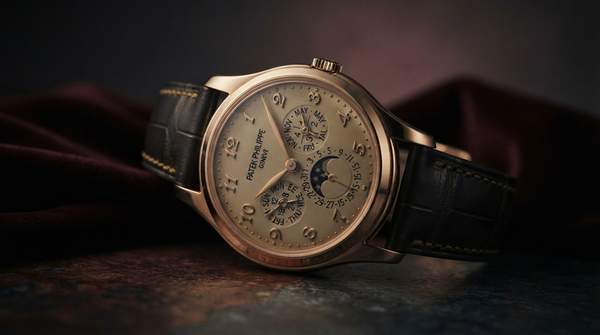
| Mechanical Movements & Complications | The watch is built around a highly developed mechanical movement featuring complex functions beyond basic timekeeping. The architecture and technical achievement of the movement are as important as its precision. | Perpetual calendars, tourbillons, minute repeaters, moon phases, and chronographs. |
| Materials & Construction | The timepiece is constructed from precious or advanced materials, reflecting a commitment to quality, durability, and aesthetic refinement in every aspect of its design. | Cases, dials, and movement components made from precious metals like gold and platinum or innovative modern alloys. |
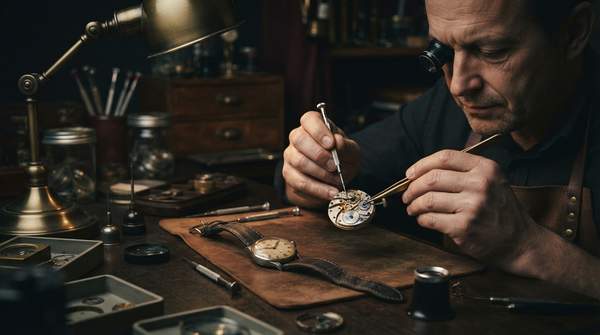
| Artisanal Finishing & Decorative Arts | Components of the watch, particularly the movement, undergo extensive and meticulous hand-finishing. These decorative techniques require a high level of skill and precision, adding depth and sophistication. | Engraving (cutting into metal) and chasing (pushing metal to create a raised design). |