Every gemstone setting is a negotiated compromise between three forces: how securely the stone is held, how much light reaches it, and what the finished piece looks like on the hand. No setting wins all three. Prongs let light flood a stone but leave its edges exposed; a bezel wraps the stone in metal and pays for that protection in brilliance. Channel and pavé settings, built for rows and fields of small stones rather than a single showcase gem, trade individual sparkle for continuous visual effect. Understanding these trade-offs—rather than memorizing terminology—is what actually drives a good choice, and this guide works through each of the four most common settings in high jewelry in turn.
The Core Trade-Off: Security vs. Brilliance
The physics of the choice are simple: metal that covers a gemstone protects it, and metal that covers a gemstone also blocks light. The International Gem Society describes this directly in its jewelry nomenclature guide, noting that a bezel setting is stronger and more secure than a prong or channel setting but doesn't let as much light through the gemstone, which reduces its brilliance and may affect its appeal. That single sentence contains the entire decision most buyers face.
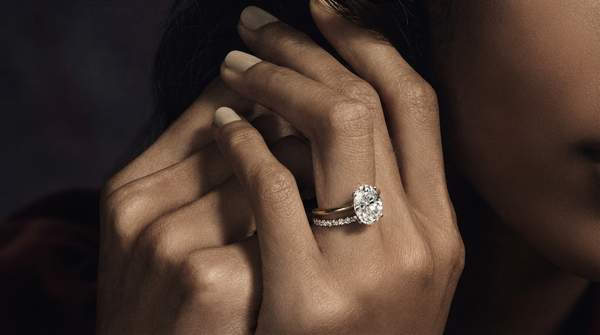
The reverse holds for prongs. A prong setting holds a stone at a few small contact points, leaving nearly the entire gem open to the air. ASHI, a diamond jewelry manufacturer whose education pages walk through setting methods, frames the objective of stone setting as twofold: holding the gemstone securely while enhancing its brilliance by showing its cut, clarity, and color. Every setting method is a different answer to those two demands, weighted differently. The setting also does more than mechanical work. As Elaine McGhee writes in the Gemological Institute of America's guide to ring settings, "The setting is one of the most important design elements of an engagement ring. It secures the gemstone while defining the ring's overall look, light performance and wearability."