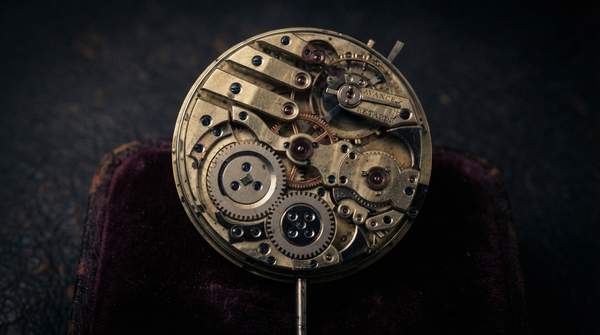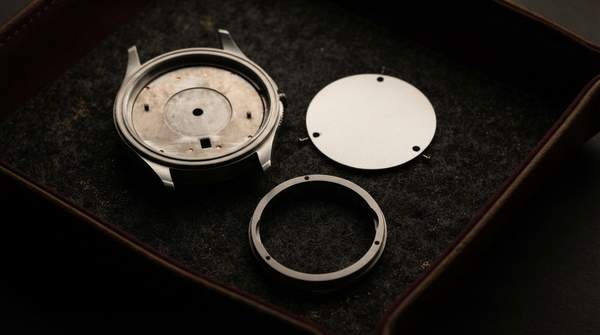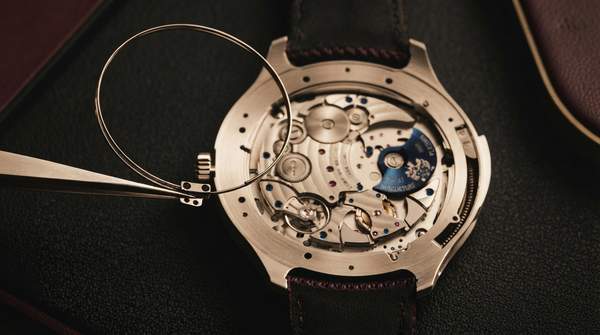
The minute repeater began as a solution to a simple problem: before artificial lighting, nobody could read a watch dial at night. Invented in the 17th and 18th centuries as an on-demand chiming mechanism, it matured through three decisive technical shifts—the rack-and-snail striking system, Abraham-Louis Breguet's replacement of bells with gongs in 1783, and the miniaturization of the complication into the world's first minute-repeating wristwatch in 1892. Understanding that sequence, and the differences between the various repeating mechanisms, is the key to appreciating why this complication is now regarded as the summit of mechanical watchmaking rather than a practical tool.
The Genesis of On-Demand Time: Early Repeating Mechanisms
The link between sound and time-telling is ancient. As horological historians note, the first fully mechanical clocks of the 12th and 13th centuries were built for the sole purpose of striking a bell, and even the earliest geared clock attributed to Archimedes was said to chirp. But those early strikers sounded at fixed intervals. The repeater's defining innovation was different: it chimed only when its owner asked for the time, on demand.
That capability emerged from a world without widespread artificial illumination. Repeaters, as the horological reference literature explains, originated before artificial lighting so the time could be determined in the dark, and they also served the visually impaired. The foundational mechanism arrived in 1676, when the English cleric and inventor Reverend Edward Barlow invented the repeating clock using his rack and snail striking mechanism—a design that could be made to repeat easily and became the standard mechanism in clock and watch repeaters ever since.
The minute repeater itself is generally credited to Daniel Quare, a talented English watchmaker who, according to historical accounts, is also responsible for placing the minute hand at the center of the watch dial. The distinction matters: Barlow patented a general repeating mechanism for clocks, while Quare is recognized for the specific minute-level chiming complication that gives the minute repeater its name. Jaeger-LeCoultre, the Swiss manufacturer that has produced chiming calibres since 1870, defines the complication precisely: "A minute repeater watch is a mechanical watch complication that chimes the exact time of day, on-demand, through the activation of a sliding push button," with small trebuchet hammers striking gongs to sound the hours, quarters, and exact minutes distinctly.