If you know you want a diamond necklace but not which style, the choice usually comes down to one question: do you want one focal point or multiple sparkles? A solitaire diamond pendant creates one bright focal point, a station necklace places diamonds at intervals, and a tennis necklace carries sparkle across the neckline. Each can be beautiful, but they create very different impressions once worn.
Ritani offers diamond necklaces and pendants across solitaire, station, bar, and tennis styles, with natural and lab-grown diamond options. Rather than treating every necklace as a variation on the same idea, the assortment gives you control over where the diamonds appear and how much visual presence they create.
The Diamond Placement Changes the Whole Necklace
The most useful way to compare diamond necklace styles is to look at where the eye lands. A single pendant draws attention toward one point, while multiple stones distribute sparkle across a larger section of the neckline.
This can narrow the selection before you think about individual diamond specifications. Decide whether you want the necklace to create a focal point, a pattern, or a nearly continuous line of light.
Ritani’s diamond necklace collection supports all three approaches through pendants, station necklaces, bar styles, and tennis necklaces. The same category can therefore move from restrained to highly noticeable without requiring you to abandon diamonds for a completely different type of jewelry.
Solitaire Pendants Put One Diamond in Focus
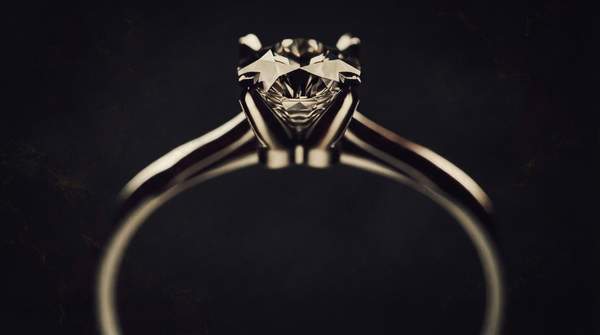
A solitaire diamond pendant concentrates attention on a single stone. There is no repeating line of diamonds competing for notice, so shape, size, and setting have a stronger influence on the finished look.
Ritani offers solitaire pendants in several diamond shapes and setting treatments, including stationary designs and pendants suspended from the chain. Natural and lab-grown diamonds are represented across the broader necklace collection.
This style suits someone who wants the diamond to be easy to recognize without making the entire neckline sparkle. A round solitaire feels familiar and bright, while an oval, emerald, pear, princess, or heart shape can give the pendant a more distinctive outline.
A solitaire also makes a straightforward gift because one diamond carries the visual impact. You can concentrate your attention on the shape and scale that suit the recipient instead of coordinating a larger pattern of stones.
Station Necklaces Spread the Sparkle Out
A station necklace changes the rhythm by placing diamonds at intervals along the chain. The open space between stones becomes part of the design, giving each diamond a chance to catch the light without creating an uninterrupted diamond line.
Ritani includes station necklaces within its diamond necklace assortment, including multi-shape designs as well as more traditional arrangements.
The appeal sits between a solitaire and a tennis necklace. You see sparkle in several places, but the chain remains visible and keeps the overall effect lighter.
That distribution can also make the necklace interesting from different angles. Instead of all attention gathering at the center, diamonds appear across more of the neckline as you turn or move.
Bar Styles Keep the Interest Close to Center
A diamond bar necklace takes another approach to multiple stones. Rather than spacing them around the chain, it gathers the visual interest into a horizontal section near the center.
Ritani lists bar necklaces alongside solitaire pendants, station necklaces, and tennis necklaces within its diamond necklace selection.
This format can appeal if you want more diamond presence than a small solitaire but prefer a concentrated design over a full line around the neck. The horizontal shape also gives the necklace a different geometry from a pendant that drops vertically.
For gifting, that makes the style useful when a traditional solitaire feels too familiar but a tennis necklace would create more sparkle than the recipient usually wears.
Tennis Necklaces Turn Sparkle Into the Main Event
A tennis necklace places diamonds along a much larger portion of the necklace, creating continuous or near-continuous brilliance around the neckline. The diamonds are no longer an accent on the chain. They become the defining visual feature.
Ritani carries natural and lab-grown diamond tennis necklaces in several constructions and total carat weights, including petite and Riviera-inspired styles. Verified product listings include three-prong, four-prong, and other setting treatments.
The effect is noticeably different from a pendant. Instead of asking the eye to focus on one stone, a tennis necklace creates a broader field of sparkle that can frame the neckline.
That presence makes the style especially appealing for milestone jewelry. It can carry a celebratory feeling without requiring a symbolic pendant or motif to explain the occasion.
Compare Carat Weight in Context
Carat numbers can be misleading when you move between necklace styles because the diamonds are distributed differently. A solitaire pendant concentrates its carat weight in one main stone, while a station or tennis necklace divides total carat weight among multiple diamonds.
A higher total carat weight on a tennis necklace therefore does not mean you should expect each diamond to resemble the size of a solitaire pendant. Ritani’s product listings distinguish total carat weight across multi-stone necklaces and offer individual weight choices across many solitaire designs.
Judge the number according to the style you are considering. For a pendant, think about how large you want the central diamond to appear. With a tennis necklace, consider how much diamond coverage and overall brilliance you want around the neckline.
This keeps the purchase focused on what you will actually see when the necklace is worn.
Think About Whether You Want a Point or a Line
A useful visual shortcut is to imagine the necklace without thinking about price or carat weight for a moment. Do you picture one diamond at the center of your chest, several flashes spread along a chain, or a defined diamond line tracing the neckline?
If the first image feels right, a solitaire pendant deserves more attention. A station or bar necklace fills the middle ground, while a tennis necklace delivers the strongest continuous diamond presence.
This choice can also reflect how much you want the necklace to lead an outfit. A focal pendant contributes one polished detail. A tennis necklace has enough visual coverage to become a defining piece even with very simple clothing.
There is no requirement to progress from subtle to bold over time. The right level of sparkle is the one that already feels natural to the wearer.
Necklace Length Changes How the Sparkle Is Seen
Diamond placement is only part of the visual equation. Where the necklace sits affects how the design relates to collars, necklines, and the proportions of the wearer.
A pendant needs enough room for the diamond to fall where you want the eye to land. A tennis necklace creates a stronger outline when its length places the diamond line where it can be seen clearly against the skin or clothing.
Ritani offers necklace designs at different lengths, with individual product specifications showing how each piece is intended to sit. One verified natural diamond tennis necklace is offered at 17 inches, while another petite tennis style is listed at 18 inches.
Rather than assuming one standard necklace length will suit every style, picture the finished piece with the necklines you wear most often.
Natural and Lab-Grown Diamonds Give You More Ways to Shop the Style
Once you know the necklace format you want, diamond origin becomes another choice. Ritani offers natural and lab-grown diamonds across its diamond necklaces and pendants, including solitaire and tennis designs.
This gives you room to keep the visual brief consistent while considering different diamond options. If a continuous tennis line is the priority, you can explore that style in both categories rather than changing the whole design direction.
The same applies to pendants. Shape, setting, metal, and diamond origin can be considered within the solitaire format instead of turning the search into a choice between unrelated pieces.
That makes the shopping process more focused. Decide what you want the necklace to look like first, then refine the individual specifications within that style.
Match the Amount of Sparkle to the Occasion
Diamond necklaces make strong gifts because the level of visual impact can be matched to the moment. A solitaire pendant can mark a birthday, graduation, anniversary, or personal achievement with one significant stone.
Station and bar necklaces offer a more decorative option while keeping visible chain between the diamonds. A tennis necklace can make a larger milestone feel suitably celebratory through its wider diamond coverage.
Ritani’s assortment gives you several routes without forcing every occasion toward the biggest piece available. The better question is what style the recipient will be excited to put on again after the celebration.
That keeps the gift desirable beyond the moment it is opened. The occasion provides the reason to buy it, while the design gives the necklace a place in the recipient’s life afterward.
Find the Ritani Diamond Necklace With the Right Presence
A diamond necklace can whisper through one solitaire or announce itself through a full tennis line. Between those ends, station and bar styles give you more ways to control how the sparkle travels across the neckline.
Ritani offers natural and lab-grown diamond necklaces across these formats, so you can compare the visual effect before refining shape, metal, carat weight, and other details.
Picture the finished necklace first. If you know whether you want one focal diamond, scattered brilliance, or a continuous line, the rest of the decision becomes much easier. For help narrowing the options to a piece that delivers the presence you have in mind, connect with Ritani’s jewelry concierge.
Frequently Asked Questions
What diamond necklace styles does Ritani offer?
Ritani offers solitaire diamond pendants, station necklaces, bar necklaces, tennis necklaces, and other multi-stone designs. The selection includes natural and lab-grown diamond options across multiple shapes, metals, and setting styles.
What is the difference between a Ritani solitaire pendant and a tennis necklace?
A Ritani solitaire pendant concentrates the visual focus on one primary diamond, while a tennis necklace distributes diamonds along a much larger section of the neckline. The solitaire creates a central focal point, while the tennis style delivers broader diamond coverage.
Does Ritani offer diamond station necklaces?
Yes. Ritani includes station necklaces within its diamond necklace and pendant collection. These designs place diamonds at intervals along the necklace rather than creating one central solitaire or a continuous tennis line.
Can I buy both natural and lab-grown diamond necklaces from Ritani?
Yes. Ritani offers natural and lab-grown diamond options across its necklace and pendant selection. Both categories appear in styles that include solitaire pendants and tennis necklaces.
How should I choose between Ritani diamond necklace styles?
Ritani offers different necklace formats for different levels of visual presence. A solitaire keeps the emphasis on one diamond, a station or bar necklace distributes sparkle more selectively, and a tennis necklace creates a broader line of diamonds around the neckline.