When a luxury fashion house opens its archive, it is not indulging in nostalgia—it is opening a strategic asset. Industry analysis of fashion's current "archive fever" describes how collections inspired by the past have become headline events, with heritage campaigns dominating advertising across luxury and contemporary fashion alike. Archives that once functioned as historical records have become, in that analysis's words, "strategic business assets capable of driving revenue, strengthening brand identity, and creating powerful emotional connections with consumers." The reader who wants to understand modern luxury strategy should therefore stop asking whether a brand uses its archive, and start asking how: for legacy, for money, or for new design.
The Strategic Imperative of Fashion Archives
Why now? Part of the answer is demand-side. The industry analysis attributes the revival partly to digital media and Gen Z audiences accelerating appetite for fashion history, while archive-led collections offer "recognition, authenticity and premium value." Fashion is, after all, an industry defined by change—every season brings new silhouettes, fabrics and creative visions—so the sudden commercial power of the past is genuinely counterintuitive.
The shift matters because it changes what an archive is. Private archives belonging to houses like Chanel, Dior or Gucci hold prototypes, iconic pieces and sketches that, as one overview of fashion archiving puts it, are "vital for maintaining brand identity and legacy" and directly "inform modern designs and marketing." The archive has moved from the basement to the boardroom: it is consulted at the sketching stage, cited in advertising, and monetized through re-editions and anniversary editions that consistently generate excitement.
Three Strategic Pillars: Legacy, Commerce, and Innovation
The clearest way to understand the phenomenon is to separate three distinct functions that are often blurred together under the word "inspiration." A brand may use the same archive for all three, but each serves a different purpose and produces a different kind of value.
| Function | Typical activity | Outcome and value |
|---|---|---|
| Brand legacy & identity | Preserving prototypes, iconic pieces and sketches in private house archives; drawing on them for design and marketing | Maintains brand identity and continuity of the house's visual codes |
| Commercial asset & revenue | Reissuing iconic designs, anniversary editions, heritage advertising campaigns | Drives revenue through recognition, authenticity, premium value and nostalgia |
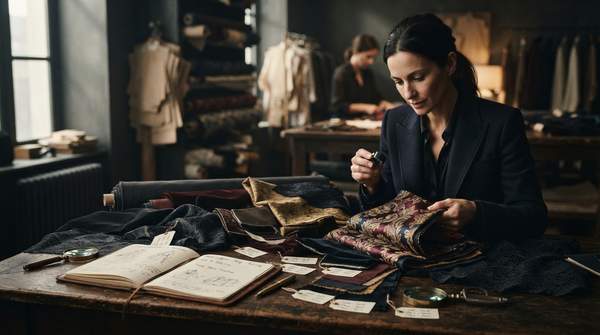
| Creative catalyst & innovation | Combining archive images, 3D replicas, material samples and digitized sketches into a working resource repository for designers | Informs new collections and functions as a repository of inspiration and technical expertise |
The distinction is practical, not academic. A heritage campaign sells the story of the archive; a re-edition sells the archive's products again; a reinterpretation sells something the archive made possible but never contained. Academic work on co-designing with fashion heritage argues that archives "not only chronicle the progression of fashion over time but also function as vital repositories of inspiration and technical expertise"—a framing that treats the archive as a working platform rather than a shrine.