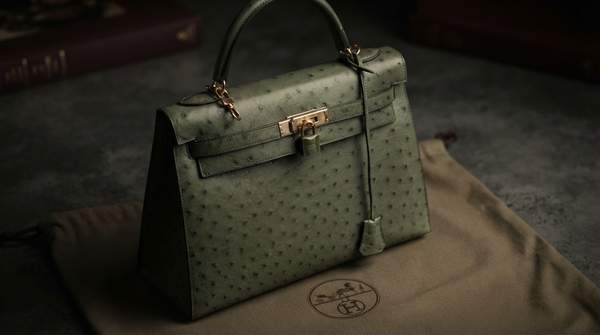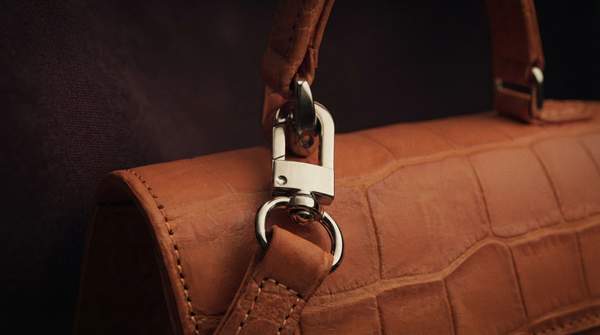
When you're choosing a luxury handbag, the hardware finish is where aesthetics and practicality collide—and the trade-off is real. High-shine polished gold delivers the classic reflective glamour most associated with traditional luxury, but it shows every fingerprint and scratch. Matte and brushed finishes hide daily wear far better; hardware-industry guides describe satin nickel as hiding "scratches and fingerprints like a champ." Ruthenium and gunmetal tones resist visible use, while antique finishes are designed to look worn from day one. Below, I break down what each finish is made of, how it's manufactured, how it holds up, and how to care for it—so you can pick the finish that matches your lifestyle rather than just your taste.
Understanding Luxury Handbag Hardware: Beyond the Shine
Why does hardware matter so much? As a buying guide from hardware supplier Ivy Alexander puts it, "the hardware is often the first place where quality—or the lack thereof—reveals itself." To the untrained eye, all gold-toned metal looks similar, but the technical composition underneath determines whether a bag ages gracefully or shows premature wear. Understanding what lies beneath the surface is the first step in protecting your investment.
There's also a market dimension. Industry reporting from DG Buddy, which tracks hardware trends for bag manufacturers, notes that bags are now handled and resold more than they were five years ago, and buyers notice plating wear within months rather than years. Resale marketplaces have made hardware durability part of resale value, pushing brands toward finishes that hold their appearance under daily use—not just finishes that look best on day one. In other words, your hardware choice is now a financial decision as much as an aesthetic one.
Core Materials and Manufacturing Processes
Two decisions determine hardware quality before any color is applied: the base metal and the finishing process. According to Ivy Alexander's technical guide, the most common materials in high-end hardware are solid brass, stainless steel, and various zinc alloys. DG Buddy's manufacturing breakdown adds a useful distinction: Zamak, a zinc alloy, is the most common base for die-cast hardware because it holds fine detail well and accepts plating evenly, while brass is chosen more often for solid, screw-machined parts like locks and buckles where extra strength is needed. Zinc alloy suits complex, cost-effective designs; brass generally offers superior strength for structural components.
Then comes the finish itself. Standard electroplating deposits a thin metal layer over the base, and its durability depends heavily on plating quality and thickness. PVD—Physical Vapor Deposition—is the more advanced option: Ivy Alexander describes it as producing "an extremely durable finish," originally used in high-performance watches and now appearing on luxury handbag hardware specifically to prevent scratches and tarnishing. Beyond metal plating, powder coating forms a thick, durable layer that holds color well, according to Modern Matter's finishes guide, offering matte, glossy, or textured surfaces and even custom color matching—though it doesn't stand up to harsh chemicals or ongoing water exposure as well as some alternatives. The general principle: the more robust the process, the better the finish resists daily wear, though no finish is maintenance-free.