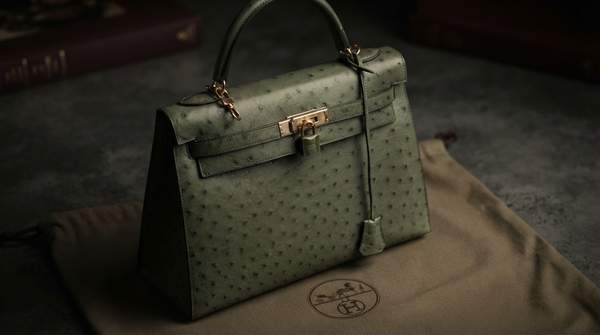
The real difference between a handmade and a mass-produced luxury bag is not the logo—it is the philosophy embedded in the stitching. Artisanal production builds character, longevity, and a traceable human hand into every seam; industrial production builds consistency, scale, and accessibility. Neither is objectively superior, and I'd argue that's the point: the choice is a matter of priorities. Here is how the two philosophies differ, and how to read the evidence on the bag itself.
Artisanal vs. Industrial: Understanding Luxury Handbag Production
As Annika Saraf of the leather-goods brand AKINNA observes, choosing a leather bag often begins with appearance, but the differences between handmade and mass-produced designs run far deeper than style. The way a bag is designed, cut, assembled, and finished shapes its character, its durability, and even its connection to the person who made it. That last phrase is doing quiet work: a production method is also a relationship.
On the industrial side, San Rocco Italia, an Italian leather-goods retailer, describes the contrast plainly: industrial production prioritizes efficiency, scalability, and cost-effectiveness, using advanced machinery and standardized techniques to produce large quantities quickly. The trade is explicit—broader accessibility and lower prices, at the cost of the individual character found in artisanal crafting. Two philosophies, two value systems, one purchase decision.
Craftsmanship and Attention to Detail
What does "craftsmanship" actually look like? Often, it looks like tension. Margaret's Cleaners, a restoration specialist, explains that each stitch in a designer handbag represents carefully calibrated tension control—precision that is not merely aesthetic but structural engineering, allowing a quality bag to hold its shape and durability for decades. Many luxury bags, they note, feature partially or fully hand-stitched elements.
This is where the philosophies diverge most visibly. The artisanal approach treats each stitch as an individual decision; the industrial approach treats stitching as a repeatable machine operation. The result, per San Rocco Italia's account, is that mass production "inherently sacrifice[s] the individual character and meticulous attention to detail found in artisanal crafting." Note the qualifier that matters for buyers: this applies to high-quality handmade work, where individual craftsmanship is the defining characteristic—not to everything assembled by hand.