The difference between quiet luxury and overt branding comes down to a single question: who is the clothing for? Quiet luxury speaks to those with the cultural literacy to recognize a hand-stitched seam or an iconic silhouette without a logo; overt branding addresses everyone else, loudly and instantly. One philosophy whispers, the other announces—and both are, at their core, strategies for signaling status. Below is a comparative framework for telling them apart, and an explanation of why so many consumers have lately chosen the quieter register.
The Shifting Landscape of Luxury Fashion
Fashion commentary has long described the industry as caught between two opposing trends, and Strike Magazines frames the dichotomy with unusual economy: quiet luxury is rooted in understated elegance—"the epitome of the saying 'money talks, wealth whispers'"—while loud branding "thrives on maximalism, overt logos, and extravagant aesthetics that make a statement." These may look like mere stylistic preferences, but they are, as that same commentary observes, deeply intertwined with social class. Fashion remains one of the quickest avenues of status signaling available to us, and the choice between a barely-there logo and a monogram-patterned tote is a choice about how, and to whom, one wishes to signal.
Quiet Luxury: The Art of Understated Elegance
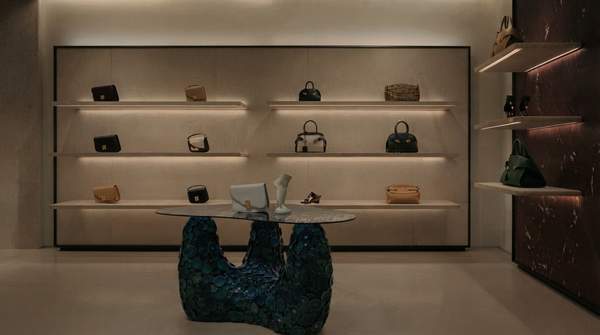
What does quiet luxury actually look like? As Nina Rawal defines it in The WALK Mag, it is high-end fashion that "prioritizes impeccable design and materials over overt brand recognition": buttery cashmere, perfectly tailored trousers, minimalist leather handbags, often with little or no visible branding. Brands such as The Row, Loro Piana, and Hermès exemplify the ethos—pieces that speak "to those in the know rather than the masses." The design focus, per the framework below, is on refinement and details appreciated by a trained eye.
Crucially, quiet luxury does not mean the absence of branding, only its subtlety: logos may exist but are harder to spot, serving a discerning audience. An academic paper on luxury consumption argues that being unable to identify a brand by sight is itself a component of the product's mystique, "very much rooted in insider culture." The premium prices of quiet luxury handbags, its author notes, imply that the consumer attributes a higher symbolic value to the product—a status signal aimed at the few rather than the many.
Overt Branding: The Power of Conspicuous Consumption
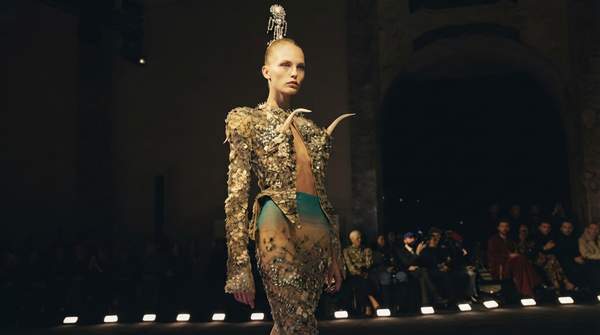
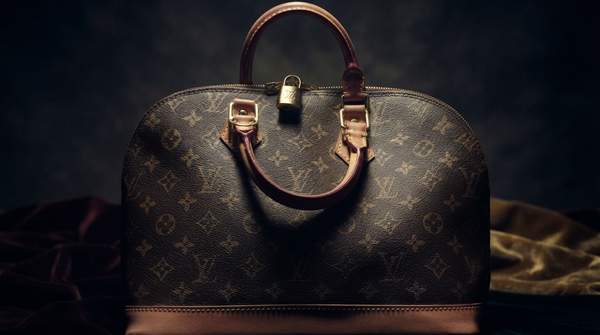
Overt branding—often called "loud luxury"—works in the opposite direction. Here the logo is the message, and often the entire design is built around it. Designs are chosen for their visibility and immediate impact: the flashier and more recognizable, the better. This is the territory of "logomania," where a recognizable label does the status work on the wearer's behalf, instantly legible to anyone at a glance.
That instant legibility is precisely the point. Where quiet luxury requires the observer to know what a hand-rolled hem looks like, overt branding requires no such literacy; the brand name carries the claim of status by itself. Material quality is expected in this register too, but it is secondary to brand recognition—the intrinsic value of the product matters less than the visibility of the mark on it. Neither approach is inherently more "authentic" than the other; both are calculated answers to the same problem of how to display wealth in public.
Why 'Wealth Whispers': Consumer Motivations for Quiet Luxury
Why, then, has the pendulum swung toward discretion? The WALK Mag points to two converging forces. The first is the pandemic's afterlife: "Comfort, quality, and longevity have taken precedence over flashiness," Rawal writes, and in a world reevaluating excess, the flashy logos of pre-pandemic fashion "seem out of place." Consumers emerging from uncertainty, the argument goes, want pieces that offer stability and timelessness—versatile, classic items in the manner of a capsule wardrobe.
The second force is a changing definition of wealth and success—the luxury of discretion. The academic framing sharpens this: drawing on Bourdieu's distinction theory, the paper argues that individuals cultivate taste-based differences precisely to separate themselves from mainstream or "vulgarized" consumption. When everyone can buy a visible logo, the truly elevated signal becomes the one only insiders can read. It is worth noting, as the sources themselves acknowledge, that this shift is observed in fashion commentary and academic interpretation rather than proprietary market data—but the direction of the argument is consistent across both.
Quiet Luxury vs. Overt Branding: A Comparative Framework
The table below synthesizes the definitions and characteristics offered by these sources into a single framework. Its use is practical: when analyzing a brand, product, or campaign, locate it on each row to determine which philosophy it follows.
| Dimension | Quiet Luxury | Overt Branding |
|---|---|---|
| Core Philosophy | Understated elegance; values quality and craftsmanship over overt display—emphasizing "wealth whispers" rather than "money talks." | Conspicuous consumption; flaunting wealth through recognizable labels—often called "loud luxury." |
| Aesthetics & Design | Subtle elegance, intricate details, designs that transcend seasonal trends; refinement appreciated by a trained eye. | Flashy designs and extravagant elements chosen for visibility and immediate impact. |
| Branding Approach | Avoids prominent logos; conveys brand identity through subtle cues and intrinsic value. Logos may exist but are harder to spot, serving a discerning audience. | Relies on easily recognizable logos and labels—the territory of "logomania." |
| Emphasis on Materials | High-quality materials and superior craftsmanship are the primary indicators of value; the product's intrinsic value is paramount. | Quality materials expected, but brand visibility outweighs intrinsic material value. |
| Consumer Appeal | Signals status to a savvy audience with the cultural literacy to identify craftsmanship unaided; mystique rooted in insider knowledge. | Signals status instantly and universally, without requiring any insider knowledge from the observer. |
| Marketing Strategy | Appeals to "those in the know rather than the masses," selling timelessness and longevity over trend. | Maximalist, statement-driven presentation designed for immediate recognition. |
Read row by row, the framework reveals a consistent pattern: each dimension is an inversion of the other. Quiet luxury concentrates meaning in the object and its maker; overt branding concentrates meaning in the mark and its audience reach.
Identifying the Trends in Practice
How do you apply this at the rack or on the screen? Start with materials and construction. Quiet luxury guidance—such as the styling advice offered by the bespoke fashion service Sumissura—holds that even a simple pair of shoes should be made from high-quality materials with impeccable craftsmanship, favoring minimalist, timeless designs; "flashy logos should be switched into meticulously crafted lines." A handmade leather crossbody or tote, functional and unadorned, is the entry point it suggests for a newcomer.
At the brand level, The Row, Loro Piana, and Hermès are the illustrative examples offered in fashion commentary—though the sources are clear these are representative cases, not an exhaustive census of the category. On the overt side, the test is simpler: if the label is legible from across a room, you are looking at loud luxury. Note too that the two philosophies are not rigid camps—a house can employ subtle codes for its core clientele while pushing visible marks elsewhere—and this analysis, per its sources, rests on commentary and academic observation rather than any brand's financial performance.
Navigating the Nuances of Luxury Consumption
Consumers should consider whether their personal values align with the discreet appreciation of quality (quiet luxury) or the overt signaling of status (overt branding) when making luxury fashion choices. The decision is not about which approach is superior—both are status strategies, merely calibrated for different audiences—but about which audience you want to belong to, and which signal you want your wardrobe to send. The measurable indicator to watch is the continued evolution of luxury fashion trends, particularly in how brands communicate value and how consumers respond to different forms of status signaling. If the commentary holds, the next season's collections will tell you which way the whisper is drifting.