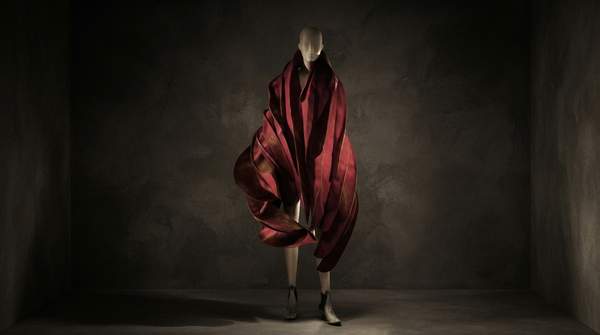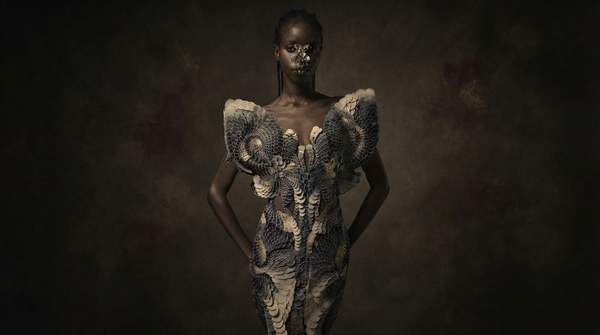
Haute couture's sustainability story now runs along two very different tracks. One rescues what already exists—scraps, offcuts, and discarded materials transformed through design ingenuity. The other builds textiles from scratch in bioreactors, where engineered microbes spin proteins into fibers. The essential distinction is this: upcycling extends the life of limited, inconsistent existing materials, while bio-engineering creates new materials with designed performance properties. Understanding that difference lets you read any luxury collection's sustainability claims with a sharper eye.
Redefining Luxury: Sustainable Innovation in Haute Couture
Why is the atelier suddenly a site of environmental reckoning? As the fast fashion model continues to dominate global clothing markets, researchers and industry stakeholders are increasingly exploring circular strategies that reduce environmental harm while maintaining economic viability, as Ananna Mostafiz notes in her comparative review of sustainable fashion design. Both upcycling and bio-engineering aim to extend the lifecycle of textile materials and reduce dependence on virgin resources—but they get there by opposite routes.
Within haute couture specifically, the stakes are aesthetic as much as ecological. A guide from the Roman tailoring house Sartoria Litrico observes that advanced sustainable materials not only help reduce waste but maintain high performance in strength and versatility, making them ideal for high fashion. Fashion education institution Istituto Marangoni goes further, arguing that contemporary biomaterial collaborations represent "a deep shift in luxury fashion" rather than conceptual gimmicks. Luxury, in other words, is being redefined at the level of the fiber itself.