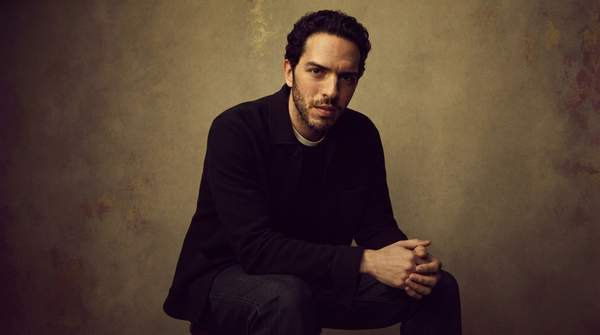
The appointment of Olivier Rousteing as the creative director of Rabanne is far more than a high-profile design change; it is a calculated strategic maneuver by parent company Puig. The decision signals a clear intent to deploy Rousteing’s proven formula for generating immense cultural relevance—honed over 14 years at Balmain—to amplify Rabanne’s fashion division, with the ultimate goal of supercharging its core, billion-euro fragrance business. This is not merely about new clothes; it is about leveraging a master of modern brand-building to create a powerful halo effect that sells perfume on a global scale.
The Strategic Rationale Behind Rousteing's Appointment
Puig’s leadership views Rousteing as a unique talent capable of navigating the delicate balance between legacy and modernity. His selection is rooted in a belief that he can inject new energy into Rabanne without erasing its foundational identity. According to company statements, Rousteing possesses "an instinctive understanding of the power of heritage and knows how to maintain the identity of an iconic house while shaking it and making it feel relevant for today." This perspective frames the hire as a deliberate choice to find a leader who respects the brand's history of challenging conventions while possessing the vision to propel it forward. Rabanne has always been defined by a certain audacity, and Puig sees a kindred "fearless spirit" in Rousteing, making him what they describe as a natural choice to lead the brand's next chapter.
The 'Rousteing Playbook' for Brand Growth at Balmain
To understand Puig’s strategy, one must first deconstruct Rousteing’s transformative tenure at Balmain. Appointed at just 25, he remade the historic French label into what industry observers call a "global pop-cultural powerhouse." His method, or playbook, involved several key components. He pioneered the ‘Balmain Army,’ a diverse and influential collective of models, celebrities, and cultural figures who embodied the house’s confident, high-voltage glamour. This community, which included figures like the Kardashians, became a powerful marketing engine in a celebrity-driven era.
Rousteing masterfully leveraged social media, turning Instagram into both a "moodboard and megaphone" to build a direct and massive audience; he currently has 9.4 million followers, compared to Rabanne's 1.9 million. This digital savvy, combined with commercially seismic collaborations like the sold-out 2015 collection with H&M, proved he could expand a luxury brand’s reach to a younger, global customer without diluting its identity. The results were tangible: during his time at Balmain, the house reportedly saw a tenfold increase in revenue.