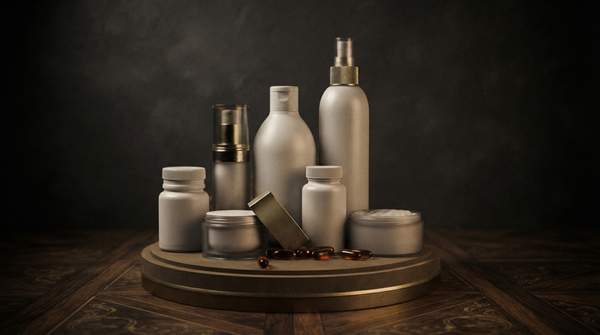
Every luxury beauty package is a small argument about value, and the material is its grammar. The short answer to the material question: there is no universal winner. Glass is unmatched for chemical inertness and shelf presence, aluminum for barrier protection and recyclability, and engineered plastics for weight, impact resistance, and design freedom—including airless systems that sensitive formulas genuinely need. The right choice depends on three questions a brand must answer honestly: What does my formula need to survive? What does my customer need to feel at the shelf? And what environmental claim can I actually defend?
The Strategic Role of Luxury Beauty Packaging
Research on packaging as a branding tool in the cosmetic industry treats the package not as a container but as a communication device—its material, design, and innovation evoke emotions and signal exclusivity, influencing purchasing decisions. Cosmetics are, after all, perishables with a defined shelf life; the package must shield them from air, heat, light, cold, moisture, and dust. Design choices carry this weight: as packaging manufacturer JohnsByrne puts it, packaging "serves as an extension of the product's exclusivity," communicating quality and prestige through every color palette and texture.
Yet luxury is not a single aesthetic. Market analysts at Mintel note that glass is strongly associated with luxury, freshness, and premium quality, while aluminum is "expanding slowly but steadily, driven by its durability, compatibility with refillable beauty packaging, and high recyclability." The perception of luxury, in other words, is not hostage to one material—it can be engineered in several. (A comforting thought for any brand manager staring down a formulation that will not tolerate a clear jar.)
Glass: Elegance and Preservation
If a single material could claim the throne, glass would make the strongest case. A review of cosmetic packaging materials describes it as non-porous, non-toxic, chemically inert, and—with very few exceptions such as hydrofluoric acid—resistant to acids. Its impermeability means essentially zero migration between package and product, which is why its inertness makes it ideal for preserving product integrity and freshness. For an active serum or a delicate fragrance, that neutrality is not a nicety; it is product protection.
The aesthetic case is equally strong. Glass offers "a distinct sense of luxury," the same review notes, and "no other packaging material matches the shelf impact of glass." It is often chosen for high-end fragrances for exactly this perceived value. Decoration amplifies the effect: Eurovetrocap's Giorgia Pisano catalogs the arsenal—screen printing for long-lasting color, engraving for tactile relief, soft-touch and metallic finishes to seduce both hand and eye. Sustainability? Glass is 100% recyclable and can be recycled indefinitely without loss of quality or purity, per the Glass Packaging Institute as cited in that review. The caveats: weight and fragility, which matter for travel formats.