When a luxury house partners with a museum, it is pursuing one of two distinct strategies: either Patronage/Sponsorship, in which the brand provides financial support and borrows the institution's prestige, or Co-Production/Commission, in which the brand actively creates new cultural works. The first model is primarily financial, not curatorial; the second makes the brand a producer of culture itself. Each carries a different balance of brand benefit and risk to the institution's cultural independence—and knowing which model you are looking at is the key to evaluating any partnership.
The Strategic Imperative: Why Luxury Brands Partner with Art
Why would a maison spend millions on an exhibition it does not sell anything from? The answer, according to academic analysis of luxury brand equity by Scheuerle, Thomas and Siegfried, lies in what sociologists of art call the demarcation function. Luxury brands are typically associated with conservative values—tradition, heritage, timelessness—which makes it harder for them to be perceived as bold and original personalities. Art collaborations offer a route out of that bind: by joining forces with the arts, brands can regain lost distance from "masstige" competitors and non-targeted middle-market customers, precisely because the art world is not readily accessible to the average consumer.
There is a second, more ambitious motivation. The same research argues that luxury brands are gaining power as new intermediaries and even art critics on the art market—with their equity, they can shape, destroy or promote art careers, and can act as disruptors who bring more people to art. In other words, the brand is no longer just a patron standing outside the gallery door; it can become a cultural intermediary that influences perceptions of taste itself. This distinction—between borrowing prestige and manufacturing it—generates the two models below.
Model 1: Patronage and Sponsorship – Leveraging Institutional Prestige
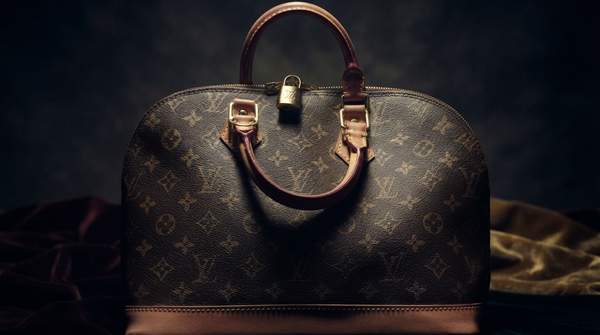
The sponsorship model is the more familiar arrangement: the brand funds an institution or a specific exhibition, and in return ties its name to a symbol of artistic excellence. The canonical example is Louis Vuitton's long-standing relationship with the Louvre, which reached new heights in 2019 with the brand's sponsorship of the Leonardo da Vinci exhibition. By supporting the exhibition and using the Louvre in its campaigns, Louis Vuitton attached itself to timeless artistry while the museum gained financial support and, arguably, cultural cachet of a commercial kind.
Crucially, the brand's involvement here is primarily financial, not curatorial. The institution retains control over what is shown; the brand aligns itself with an existing cultural event rather than creating one. This is image enhancement through association—reaching discerning audiences by leveraging the prestige the institution has already accumulated. It is a comparatively light-touch form of integration, though not an uncontroversial one, as we will see.