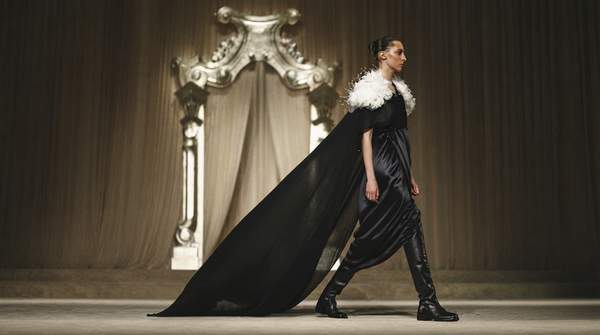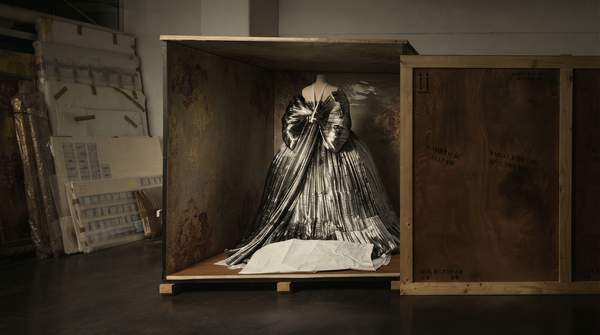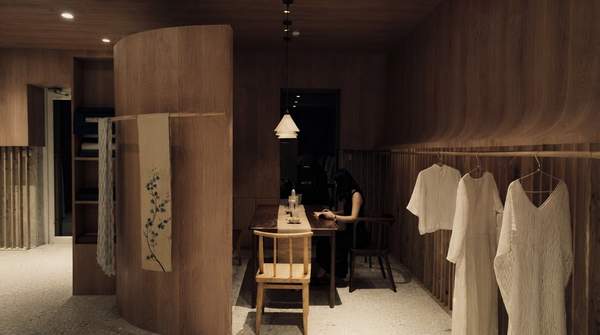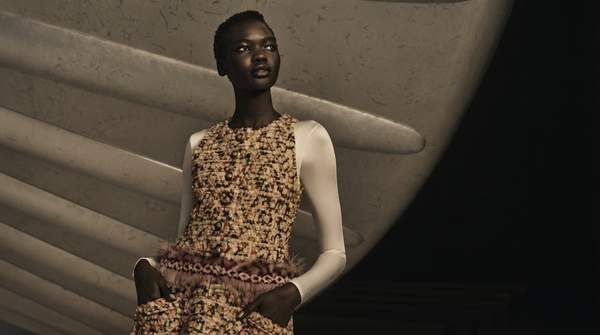
Fashion illustration did not fade when photography arrived; it changed jobs. For roughly two centuries, drawn images were the only way to record and circulate what fashionable people wore, and when the camera took over that duty, the illustrator's hand was freed for something subtler: interpreting a garment, its imagined wearer, and the vision of the house that made it. Nowhere did that transformation matter more than in haute couture, the exclusive, vision-driven branch of French fashion whose origins are conventionally dated to Charles Frederick Worth in the mid-nineteenth century. The story of the two crafts, in fact, runs in parallel—and tracing them side by side reveals why a couture house still commissions a drawing when a photograph would be cheaper.
The Genesis of Haute Couture and Early Fashion Illustration
Haute couture, as historians of dress use the term, begins with Worth. Diana De Marly's study bluntly crowns him "Worth: Father of Haute Couture," a title echoed in the bibliographies of both the Metropolitan Museum of Art's essays and the Cambridge Global History of Fashion's chapter on the origins and development of haute couture from 1858 onward. Worth's Paris establishment turned dressmaking into a named, signed, client-driven art—an exclusive system rather than a trade. (A dressmaker sells you a dress; a couturier, even then, sold you himself.)
Illustration, meanwhile, was already an old and practical craft. Historical overviews of the genre note that in the eighteenth and nineteenth centuries, before the advent of photography, fashion illustrations were the primary means of documenting and disseminating fashionable clothing styles. The fashion plate—circulated through magazines and journals—was how a design in Paris reached a provincial seamstress, a middle-class home dressmaker, or a curious client abroad. In this period the illustrator's virtue was fidelity: the drawing had to carry the information, because no other channel existed. Documentation and dissemination were the whole job.
So the two institutions matured together, but asymmetrically. Couture was inventing the idea of the designer's individual vision; illustration was still busy being a courier. The tension between those two roles—record versus interpretation—is the engine of everything that follows.