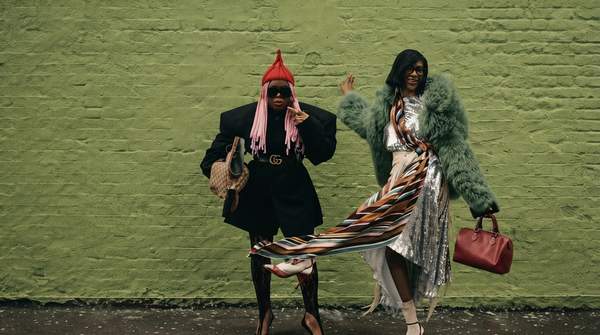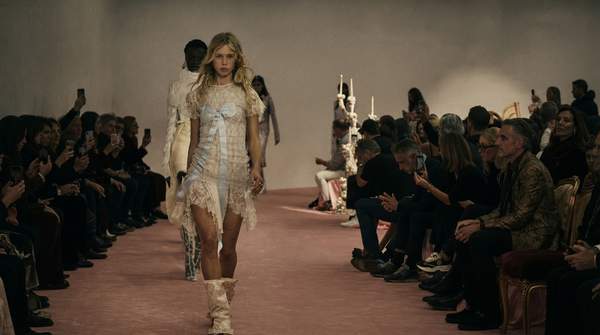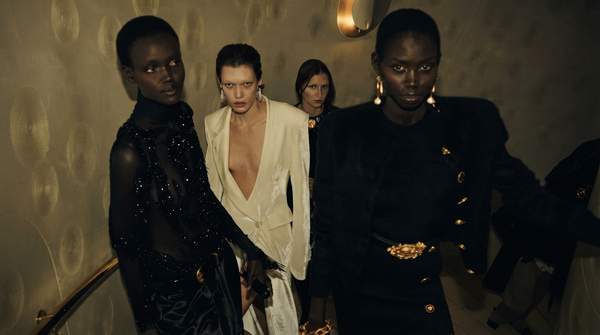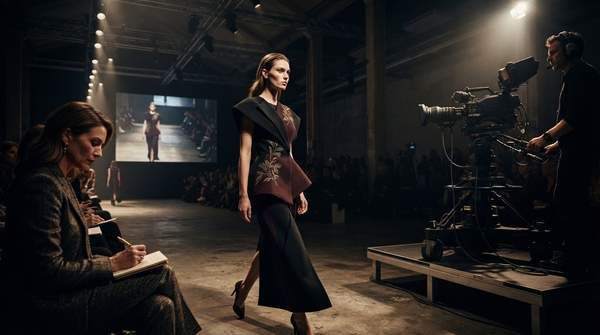
Why did Chanel once show a collection in a modest Parisian salon, while its later creative director filled the Grand Palais with a functioning supermarket? The answer is not mere extravagance—it is strategy. The venue of a fashion show has evolved from a simple presentation space into one of the most deliberate communication tools a brand possesses. Understanding three archetypes—the intimate salon, the grand spectacle, and the digital or hybrid experience—reveals how brands trade exclusivity for reach, and narrative control for logistical complexity.
The Strategic Evolution of Fashion Week Venues
The fashion show began humbly. As industry accounts describe, presentations originated in European hotels and ateliers, where designers hosted exclusive viewings for the fashion elite. The Guardian's historical survey of the fashion show captures the arc vividly: the intimate salon shows of Chanel in the 1950s "bear no resemblance to Karl Lagerfeld's fully-stocked supermarket in the vast Grand Palais in 2014." The publication identifies the main change as one of scale—along with location, set production, and budget.
What that scale actually signifies is the question most timelines skip. A venue is never neutral; it encodes a brand's intended audience, its tolerance for risk, and its theory of how desire is created. The evolution from low-key to king, as the Guardian puts it—through John Galliano's historical dramas at Dior, Hussein Chalayan's theatrical impossibilities, and Alexander McQueen's gothic wonders—tracks a shift in who fashion speaks to, and how loudly.
The Intimate Salon: Exclusivity and Direct Engagement
The salon archetype is the original grammar of the fashion show. In the 1950s, Chanel presented to a select, physically present audience—a model rooted in the ateliers and hotels where designers first received the fashion elite. The strategic logic is straightforward: scarcity of access confers status. When only a handful of buyers, editors, and clients can see the clothes, proximity itself becomes the product being sold alongside the garments.
The salon also offers something the spectacle cannot: control at close range. A designer can read the room, adjust the narrative, and let craftsmanship be examined directly. Contemporary fashion calendars still preserve this archetype—industry listings describe intimate salon-style presentations in designer studios or galleries, alongside showroom experiences that allow attendees to examine craftsmanship details and connect directly with design teams. The salon persists because its strategic goal—elite access and direct engagement—remains valuable, particularly for brands whose message is intimacy, precision, or heritage rather than mass visibility.